Lernen Sie unsere Plenarredner und Vorsitzenden kennen!
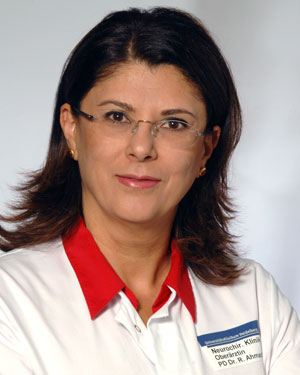
Professor Ahmadi holds the position as senior consulant and head of the Division of Operative Pain Therapy at the Department of Neurosurgery of the University Hospital Heidelberg.
She was born in Iran and moved to Germany to continue her medical school which she began at the University of Tehran. In 1999, she finished her studies at the Ruprecht Karls University of Heidelberg.
After becoming a board-certified neurosurgeon in 2006, she dedicated to specialize in neuro-oncology, for which she obtained the personal certification of the Neurosurgeon´s Academy (NCAW) for this focus and the venia legendi as a neurosurgeon in 2017.
While raising her two daughters born in 2006 and 2010 Prof. Ahmadi decided to shift her focus on additional neurosurgical subspecialties which ultimately led to the attainment of the additional designation of specialized pain management and neuro-intensive care from the state medical board.
In 2018 Prof. Ahmadi became the current elected speaker of the division of neurosurgical pain therapy of the German Neurosurgical society (DGNC) In this role, she is delegated and involved in creation of new and revision of existing national therapy guidelines related to this focus. Furthermore, she is involved in the creation of the personal certification for neurosurgical pain management as a member of the Neurosurgeon´s Academy (NCA) and as an expert advisory board member in the German Pain Society (Deutsche Schmerzgesellschaft e.V.).
In August 2022 she received the professorship (APL) at the Ruprecht Karls University of Heidelberg.
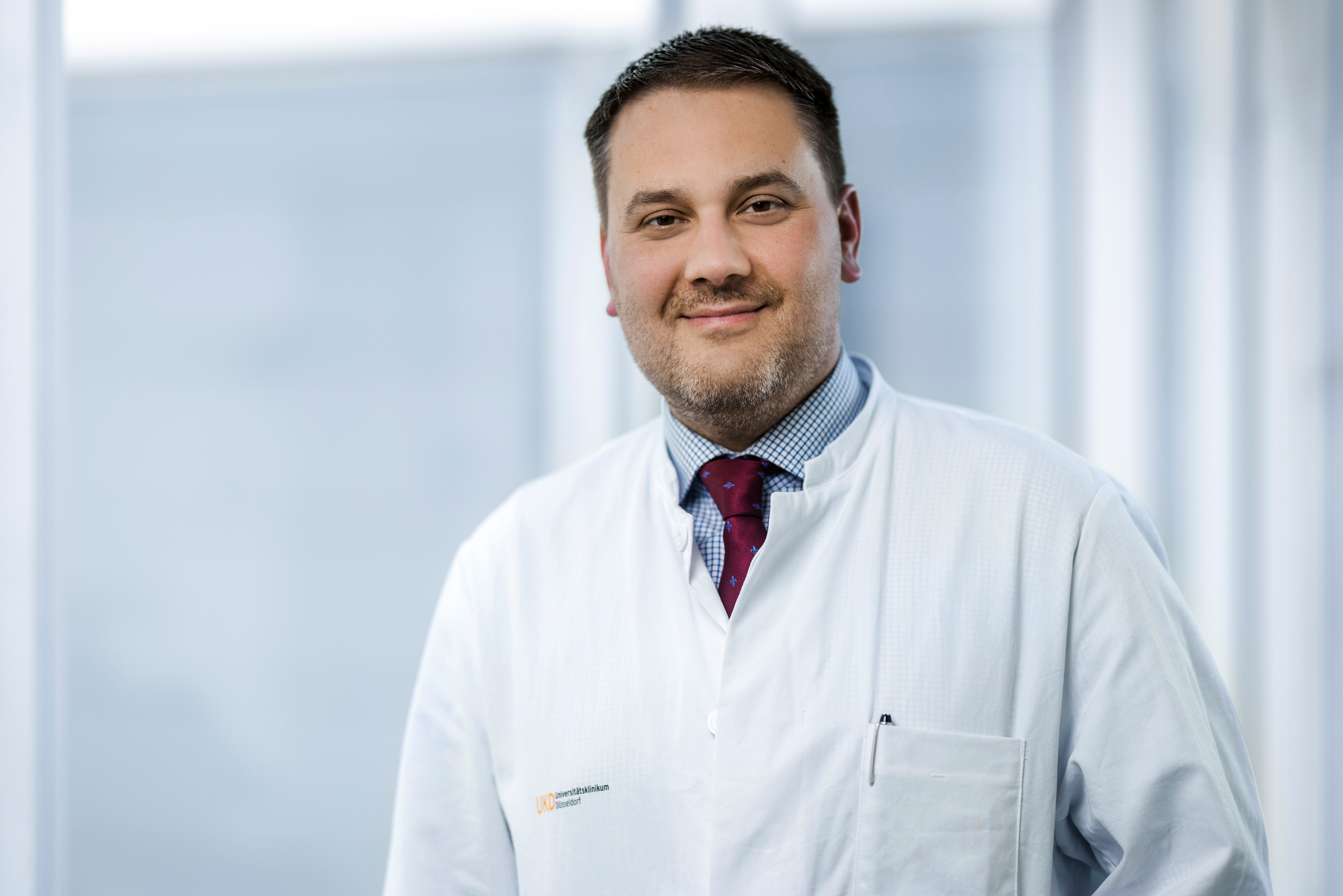
Thomas Beez is Professor of Pediatric Neurosurgery (W2) and Consultant Neurosurgeon at Heinrich-Heine-University Düsseldorf. He was born in 1982 in Duisburg and completed medical school in Düsseldorf. At this institution, he also received his neurosurgical residency training under Prof. Hans-Jakob Steiger. He was a senior clinical fellow in pediatric neurosurgery at the Royal Hospital for Children in Glasgow/UK. He is currently speaker of the DGNC Pediatric Neurosurgery Section and serves on the executive board of the ESPN. His main scientific interests are pediatric neurooncology and traumatic brain injury.
Hamid Borghei-Razavi, MD, is director of the Minimally Invasive Cranial and Pituitary Surgery Program at Cleveland Clinic Florida, research director of the Neuroscience Institute at Cleveland Clinic Florida Region, and an Assistant Professor of Neurological Surgery at Cleveland Clinic Lerner College of Medicine specializing in Brain Tumor Surgery, Open and Endoscopic Skull Base Surgery, Pituitary Surgery, and Trigeminal Neuralgia. Dr. Borghei-Razavi received his medical degree from Iran University of Medical Sciences (IUMS) and the University of Lübeck (Universität zu Lübeck) in Germany. He completed his residency training at Clemenshospital, University of Münster, Germany. During his residency training, he was awarded a scholarship by the German Society of Neurosurgery (DGNC) to participate in a resident exchange program at the prestigious Keio University Skull Base Center in Tokyo, Japan. After finishing his training in Germany, he performed a year's Research Fellowship in Skull base Neuroanatomy at the University of Pittsburgh Medical Center (UPMC). He then completed two Clinical Fellowships in Neurosurgical Oncology and Advanced Open and Endoscopic Skull Base Surgery at Cleveland Clinic, Ohio, devoting his efforts to minimally invasive neurosurgical techniques. Dr. Borghei-Razavi has authored more than 150 peer-reviewed publications and book chapters and is on the editorial board for multiple journals. He also received multiple national and international awards and scholarships in recognition of these accomplishments.
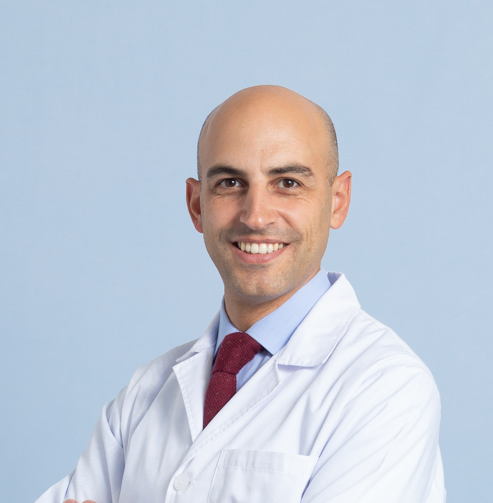
Dr. Alexandre Rainha Campos is a neurosurgeon from Lisbon, Portugal, specializing in epilepsy surgery. He completed a fellowship at the prestigious Bonn Epilepsy Center in 2009 and currently holds the position of surgical coordinator at the Hospital de Santa Maria Epilepsy Center.
Dr. Campos is deeply committed to providing neurosurgical treatments for both children and adults affected by epilepsy. He has extensive expertise in treating adults with brain tumors, with a particular focus on awake surgery for gliomas in the field of oncological surgery.
Throughout his career, Dr. Campos has held various leadership positions, playing a pivotal role in advancing the field of neurosurgery. He served as the president of the training committee for the Portuguese Neurosurgical Society from 2017 to 2020. Subsequently, he took on the role of vice-president from 2021 to 2022, and since 2023, he has served as the president of the same society. Additionally, since 2015, he has been an esteemed member of the executive committee for the European Society for Stereotactic and Functional Neurosurgery.
Dr. Campos demonstrates his dedication to education and training by organizing numerous pre and postgraduate courses. These courses utilize laboratory settings and 3D printed models to provide comprehensive training to students and residents. Topics covered in these courses include the treatment of epilepsy, spasticity, endonasal surgery, and craniotomies.
In addition to his clinical work, Dr. Campos has made contributions to the field through his research and publications. His papers primarily focus on epilepsy and oncologic surgery, showcasing his commitment to advancing knowledge in these areas. He also took the lead in coordinating a group that developed treatment guidelines involving intrathecal baclofen, resulting in the creation of a handbook that provides valuable insights for medical professionals in this field.
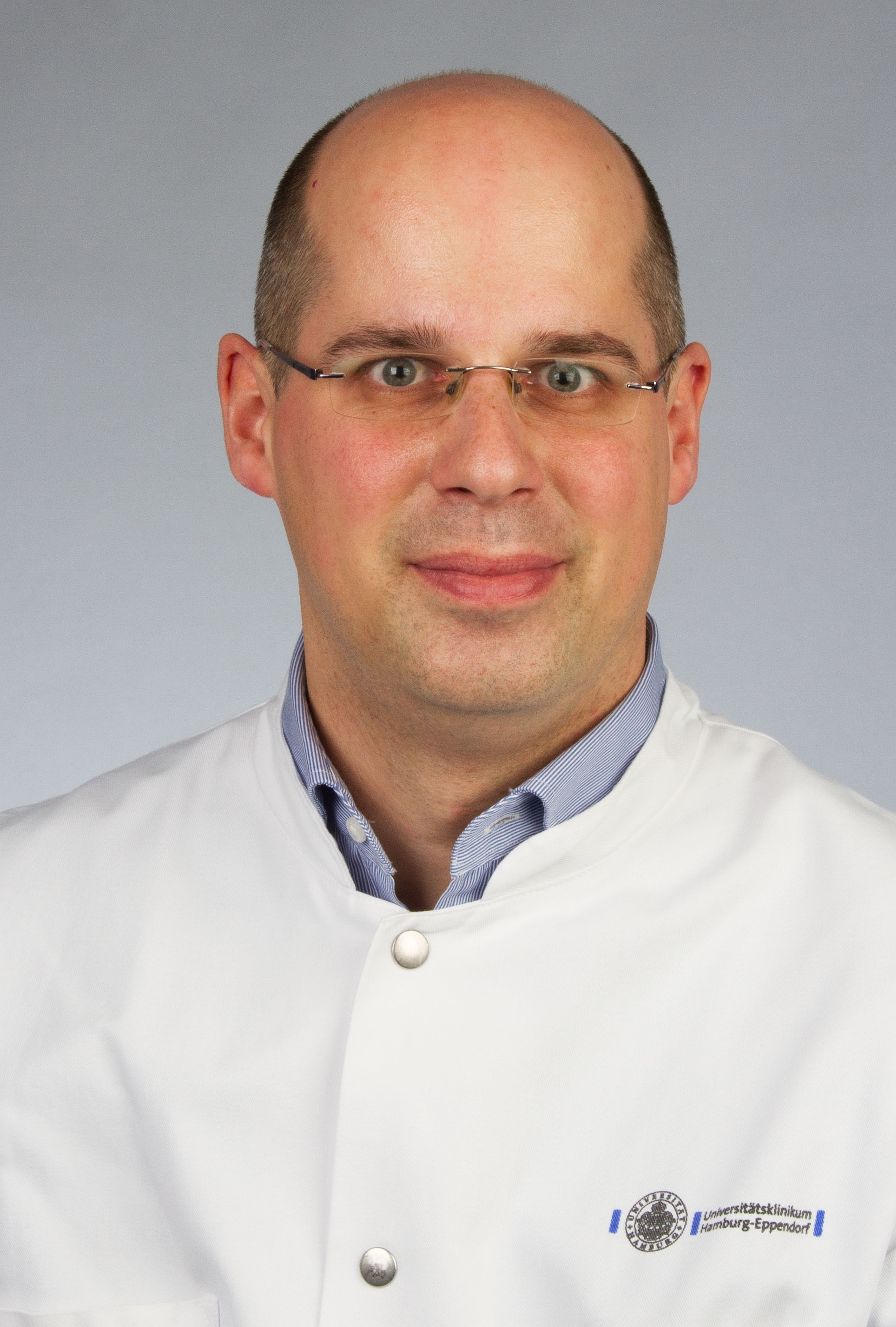
Nach Abschluss des Studiums der Humanmedizin 2006 an der Justus-Liebig-Universität Gießen begann Prof. Czorlich seine Weiterbildungszeit an der Neurochirurgischen Klinik des Universitätsklinikums Gießen und Marburg, Standort Gießen unter der Leitung von Prof. Dr. D.-K. Böker. Zum 1. Januar 2009 erfolgte der Wechsel an die Klinik und Poliklinik für Neurochirurgie am Universitätsklinikum Hamburg-Eppendorf (UKE) unter der damaligen Leitung von Prof. Dr. M. Westphal. Bereits während der Weiterbildungszeiten in Gießen und Hamburg entwickelte sich das außerordentliche Interesse von Prof. Czorlich an der neurochirurgischen Intensivmedizin, so dass er nach Erlangung des Facharztes für Neurochirurgie sowie der Zusatzweiterbildung Intensivmedizin ab dem Jahr 2017 die Leitung der Neurochirurgischen Intensivstation innerhalb und gemeinsam mit der Klinik für Intensivmedizin am UKE übernommen hat.
Neben den wissenschaftlichen Interessen im Bereich der aneurysmatischen Subarachnoidalblutung, dem Schädel-Hirn-Trauma und der Künstlichen Intelligenz in der NeuroIntensivmedizin engagiert sich Prof. Czorlich berufspolitisch u.a. als Co-Sprecher der Sektion Neurotrauma und Intensivmedizin der DGNC und ist deren Delegierter im Fachbereich Neuromedizin der Deutschen Interdisziplinäre Vereinigung für Intensiv- und Notfallmedizin (DIVI) sowie der dort ebenfalls ansässigen Nationalen Steuerungsgruppe für das Peer Review Verfahren in der Intensivmedizin.
Die Interessen der Neurochirurgie vertritt Prof. Czorlich darüber hinaus als Beisitzer im Präsidium der Deutschen Gesellschaft für NeuroIntensiv- und Notfallmedizin (DGNI) und engagiert sich in der dortigen Fortbildungskommission für die Aus- und Weiterbildung in der neurochirurgischen Intensivmedizin.
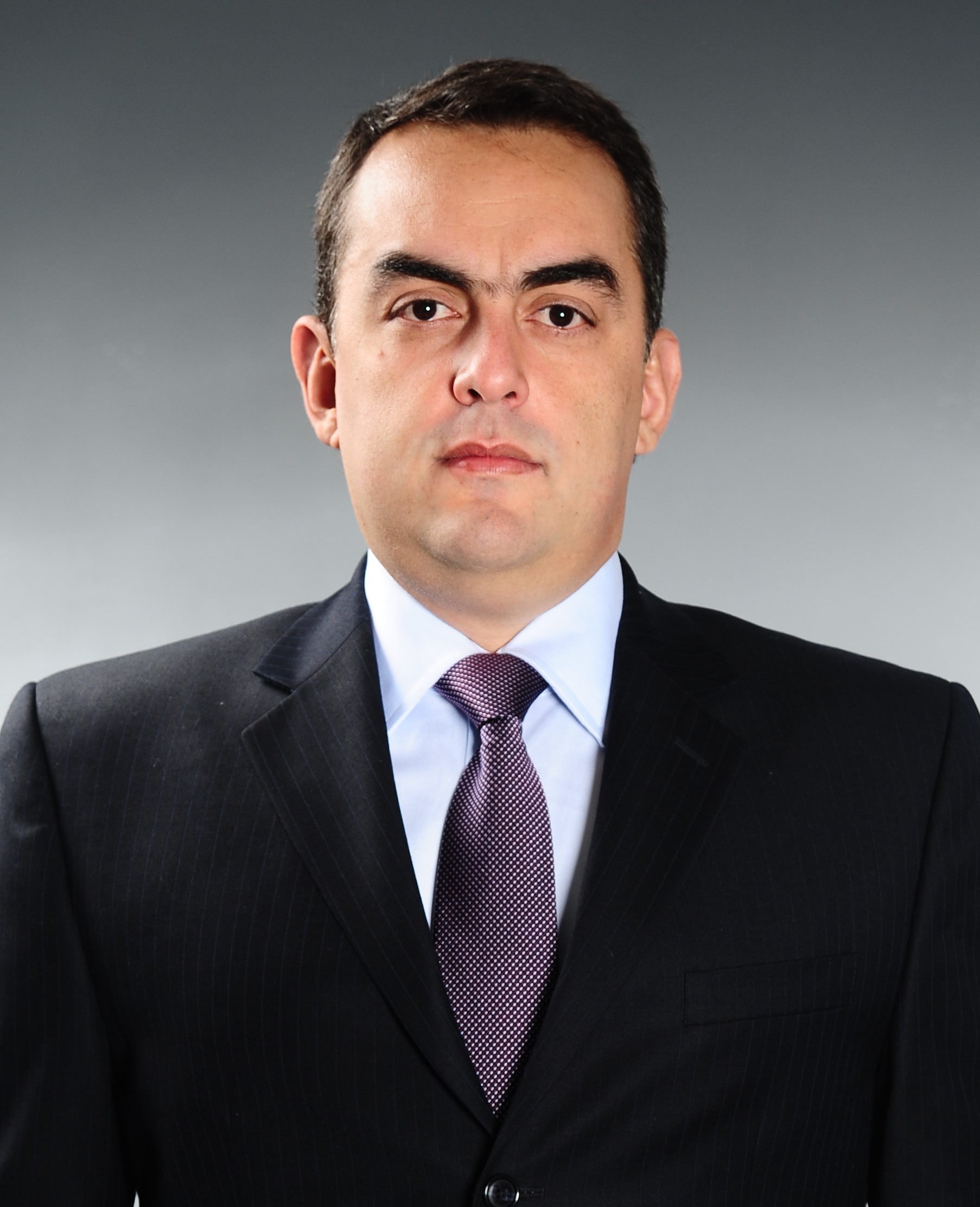
Jean G. de Oliveira, MD, PhD
Chairman and Professor
Division of Neurosurgery
Department of Surgery
Santa Casa de São Paulo School of Medical Sciences
São Paulo-SP, Brazil
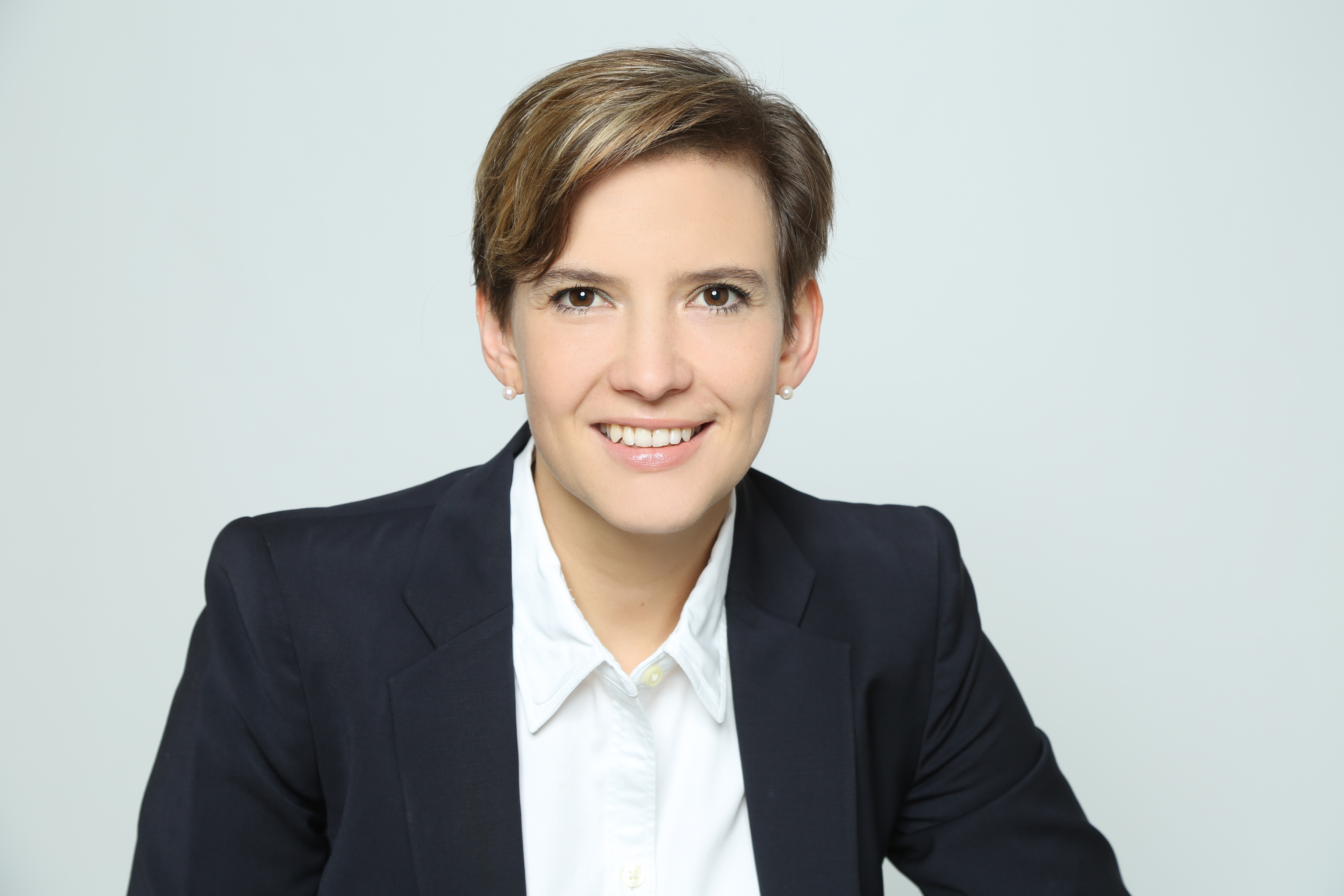
Nora Dengler ist Oberärztin im Leitungsteam an der Charité Universitätsmedizin in Berlin. Ihr klinisches und wissenschaftliches Interesse liegt u.a. in den Bereichen der interdisziplinären Behandlung von genetischen Tumordispositionssyndromen, der vaskulären Neurochirurgie, der Schädelbasischirurgie und der peripheren und rekonstruktiven Neurochirurgie. Nach Fellowships an der Mayo Clinic in Rochester (U.S.A) und am Universitätsklinikum Ann Arbor in Michigan (U.S.A) hat sie den Bereich der peripheren und rekonstruktiven Neurochirurgie und die interdisziplinäre Versorgung von Patienten mit genetischen Tumordispositionssyndromen an der Charité Universitätsmedizin Berlin weiter ausgebaut. Sie ist Sprecherin der Sektion Periphere Nerven der DGNC, Mitglied des WFNS Commitees für Periphere Nerven, Mitglied des EANS Boards der Sektion Periphere Nerven, sowie Principal Investigator der EU geförderten Studie zur elektrodenbasierten sensorischen Funktionswiederherstellung (GoSafe) und des multizentrischen Registers für Tumore peripherer Nerven. Sie betreut aktuell mehrere wissenschaftliche Projekte zum Einsatz von KI-Methoden in der Neurochirurgie und ist Autorin und Koordinatorin mehrerer AWMF-Leitlinien. Für die Neurochirurgische Akademie begleitet sie die didaktische Neustrukturierung der Weiterbildungstagungen.
Nima Etminan is Professor & Chairman of the Department of Neurosurgery at the Medical Faculty Mannheim of the University of Heidelberg. He is clinically specialized in cerebrovascular surgery, skull base surgery and neuro-oncology. After studying medicine at the Heinrich Heine University in Düsseldorf and the Technical University of Munich, he began his career in 2005 at the Neurosurgical University Hospital in Düsseldorf. From 2009 to 2010, he completed a clinical fellowship in vascular neurosurgery under Department of Neurosurgery at the University of Toronto. In 2010, he returned to Düsseldorf as a staff surgeon and continued his sub-specialization in cerebrovascular and skull base surgery. In 2015 he moved to the Department of Neurosurgery in Mannheim, where he served as Vice Chair until 2019 and as acting Chair until 2020. In 2021 he was appointed Chairman and Professor of Neurosurgery.
Scientifically, Nima Etminan is a specialist for translational research on intracranial aneurysms, including novel strategies for their assessment and treatment as well as clinical studies on aneurysmal subarachnoid haemorrhage. He is among the most cited scientists in the field of unruptured intracranial aneurysms and subarachnoid haemorrhage. He is particularly interested in new treatment methods for unruptured intracranial aneurysms and initiated the first phase III study on the drug treatment of risk factors in unruptured intracranial aneurysms. He serves in the editorial board of Stroke. Translational Stroke Research and Cerebrovascular Diseases.
He was Co-Chair of the recently published European Stroke Organization guidelines for the management of unruptured intracranial aneurysms and is currently Chair of the European Stroke Organization working group to develop the guidelines for the management of aneurysmal subarachnoid haemorrhage as well as Chair of the German Society of Neurology (DGN)/AWMF Guideline Group on Management of unruptured intracranial Aneurysms.
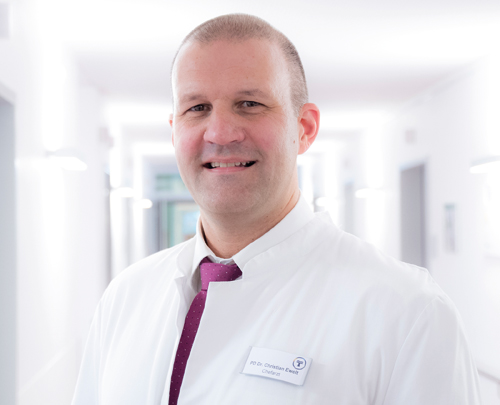
Beruflicher Werdegang:
09/2004 bis 12/2006 Assistenzarzt Klinik für Neurochirurgie, Kantonsspital St.
Gallen/Schweiz
01/2007 bis 12/2009 Wissenschaftlicher Mitarbeiter der Klinik für Neurochirurgie,
Universitätsklinikum Düsseldorf
Direktor: Univ.-Prof. Dr. Hans-Jakob Steiger
01/2010 bis 10/2011 Wissenschaftlicher Mitarbeiter der Klinik für Neurochirurgie,
11/2010 bis 10/2011
Universitätsklinikum Münster
Direktor: Univ.-Prof. Prof. h.c. Dr. med. Dr. h.c. Walter Stummer
Facharztanerkennung für Neurochirurgie
Stipendium der DGNC/Fellowship „Endoskopische
Schädelbasischi_rurgie" an der Ohio State University, Prof. Prevedello,
Columbus, USA
11/2011 bis 06/2015 Oberarzt der Klinik für Neurochirurgie, Universitätsklinikum Münster,
07 /2015 bis 09/2018 leitender Oberarzt der Klinik für Neurochirurgie, Universitätsklinikum
Promotion 05/2006
Habilitation 10/2016
Münster
Zusatzbezeichnung „Spinale Neurochirurgie" der DGNC
Zusatzbezeichnung „Spezielle Neurochirurgische Onkologie" der
DGNC
Chefarzt Klinik für Neurochirurgie, St. Barbara-Klinik Hamm-Heessen,
Akademisches Lehrkrankenhaus der Westfälischen Wilhelms-
Universität Münster
Sprecher der Sektion Wirbelsäule der Deutschen Gesellschaft für
Neurochirurgie (DGNC)
.Der Einfluss von Dexmedetomidin auf myokardiales Stunning und die
transmyokardiale Perfusionsverteilung im chronisch instrumentierten
wachen Hund" (Note: ,,magna cum laude")
.5-ALA-Fluoreszenz in der Neurochirurgie - Erweiterte Anwendung
und neue Therapieansätze"
Stipendien und Auszeichnungen
2006 Posterpreis der Schweizerischen Gesellschaft für Neurochirurgie,
Montreux/Schweiz
2011 Carl-Zeiss-Stipendium .Endoskopische Schädelbasischirurgie" der Deutschen
Gesellschaft für Neurochirurgie, DGNC-Kongress Hamburg
Fortbildungskurse und Zusatzqualifikationen
• Fachkunde im Strahlenschutz im Gebiet der Notfall- und intraoperativen
Diagnostik
• .POL-Tutor" der Medizinischen Fakultät Münster
• PJ-Beauftragter der St. Barbara-Klinik Hamm GmbH
• Zusatzbezeichnung .Spinale Neurochirurgie" der DGNC
• Zusatzbezeichnung .Spezielle Neurochirurgische Onkologie" der DGNC
• Basis- und Masterzertifikat der Deutschen Wirbelsäulengesellschaft DWG
Mitgliedschaften in Fachgesellschaften
• Mitglied in der Deutschen Gesellschaft für Neurochirurgie (DGNC)
• Mitglied in der Deutschen Wirbelsäulengesellschaft (DWG)
• Mitglied in der Deutschen Gesellschaft für Schädelbasischirurgie (GSB)
• Mitglied im Berufsverband Deutscher Neurochirurgen (BDNC)
• Mitglied im Konvent der leitenden Krankenhauschirurgen
Gutachtertätigkeit
• Funktion als Reviewer im Peer-Review-Prozess für "Clinical Neurology and
Neurosurgery", "World Neurosurgery", "Journal of Clinical Medicine~ "Brain
Science~ "Central European Neurosurgery"
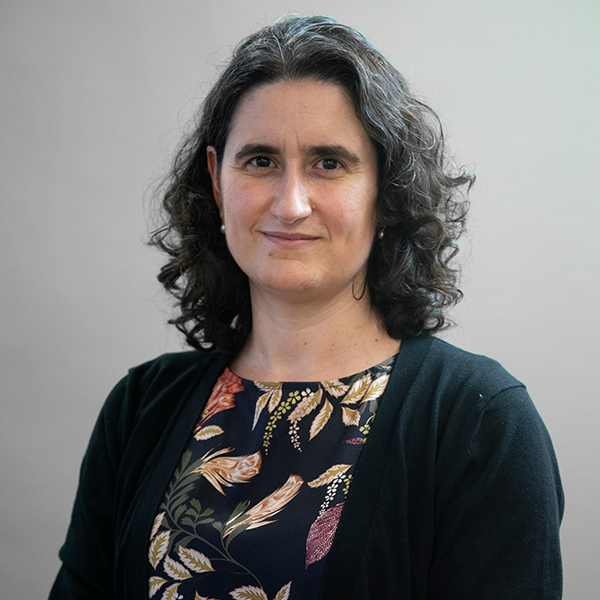
Education and Training:
2014 - PhD in Medicine (Neurosurgery), FMUL (Portugal)
Thesis: Using genomics for drug discovery in medulloblastoma
Supervisors: James Rutka, MD PhD (Univ. of Toronto, Canada) and João Lobo Antunes,
MD PhD (Univ. of Lisbon, Portugal)
2010 - 2013: Research Fellow – Arthur and Sonia Labatt Brain Tumour Research Centre, The
Hospital for Sick Children, Toronto, Canada
2009-2012: Programme for Advanced Medical Education sponsored by Fundação Gulbenkian,
Fundação Champalimaud, Ministério da Saúde e Fundação para a Ciência e Tecnologia,
Portugal
2010 - Board Certified Neurosurgeon, Ordem dos Médicos, Portugal
2001 - Medical Degree, Faculdade de Medicina da Universidade de Coimbra, Portugal
Research and Professional Experience:
2014 - present: Researcher, Instituto de Medicina Molecular João Lobo Antunes, FMUL, Portugal
2014 - present: Invited Assistant Professor of Neurosurgery and Neurology, FMUL, Portugal
2010 - present: Consultant Neurosurgeon, Department of Neurosurgery, Hospital de Santa Maria
(CHULN), Lisboa, Portugal
Fields of Interest:
Neuro-oncology, particularly metastatic tumors in adults (brain metastases) and in pediatric
patients (medulloblastoma and ependymoma)
Drug resistance to therapy and drug discovery
Patient-derived models of brain tumors, including patient-derived cultures (PDCs) and patientderived
xenografts (PDXs)
Awards and Honors:
2022 Honourable Mention from Prémio BIAL de Medicina Clínica 2022
2022 Gilead Génese Award 2022.
2021 – Bolsa de Investigação Médica LPCC/LIONS – Cancro Infantil
2018 – Best poster award at the EurOPDX Workshop, Switzerland
2018 – Scholarship as Visiting Scientist at the Labatt Brain Tumour Research Centre, The Hospital for
Sick Children, Toronto, Canada
2018 – Ambassador of Bairrada Region for Research and Science
2017 – Codman Award – Best oral presentation at the Congress of the Portuguese Neurosurgical
Society (NEURO2017)
2016 – D. Manuel de Mello Award to study pilocytic astrocytomas
2015 – Fundação Millennium bcp Award to study Pediatric Brain Tumors
2013 – Phil Gold Scientist-in-Training Award (2nd prize for oral presentation) at the Montreal International Symposium on Angiogenesis and Metastasis
2012 – Honourable Mention – Gallie-Bateman Competition and McMurrich Oral PresentationCompetition, Department of Surgery, University of Toronto, Canada
2008 – Best abstract - XXI st Meeting of the European Society for Pediatric Neurosurgery
2006 – Best oral presentation – XX Congress of the Portuguese Neurosurgical Society
2004 – Best oral presentation – XVIII Congress of the Portuguese Neurosurgical Society
Coordinating Functions:
2020 – present: Chair do Board of National Directors of EATRIS
2020 – present: Co-Chair do Craniopharyngioma Working Group of SIOPe BTG
2020 – present: Member of the board of Associação Portuguesa de Investigação em Cancro (ASPIC)
2018 – present: Portugal’s representative in the Board of National Directors of the European
translational network EATRIS-ERIC
2018 – present: Co-Director of the Biobank at Biobanco-iMM/CAML
2016 – present: President of Associação Portuguesa de Neuro-oncologia (APNO)
2016 – present: Team member of Gabinete de Apoio à Investigação Científica, Tecnológica
e Inovação (GAPIC) da FMUL
2016 – present: Chair of the Young Investigators and Innovators Group of the European
Society for Pediatric Oncology - Brain Tumor Group (SIOP-E BTG)
2016 – present: National coordinator for the European Reference Network in Craniofacial
Anomalies (ERN-CRANIO)
2016 – present: Coordinator at HSM-CHLN of the National Reference Network for Pediatric
Oncology – CNS Tumors of the south region of Portugal
2012 – present: Founder and Coordinator of the Brain Tumor Bank at Biobanco-iMM/CAML
Funded Research Projects:
1. "Identification of novel therapies in the treatment of pediatric pilocytic astrocytoma”
Funding Institution: Fundação Amélia de Mello (2017)
2. "Unraveling the biology of pediatric and adult pilocytic astrocytomas through genomics"
Funding Institution: Fundação Millennium bcp (2016-2019)
3. “Using genomics to identify genetic drivers of brain tumor metastases”
Sources of funding: Private donations (2014-2018)
4. "Project to Create a Brain Tumor Bank at Biobanco-IMM"
Funding Institutions: private donations from multiple institutions (2012-2014)
5. “Using genomics to identify novel targeted therapies in brain metastases” (FCT,
02/SAICT/2017)
6. “Clinical validation of CCL2/CCR2 signaling pathway in metastatic medulloblastoma”
Funding Institution: Liga Portuguesa Contra o Cancro/LIONS (2021-2022)
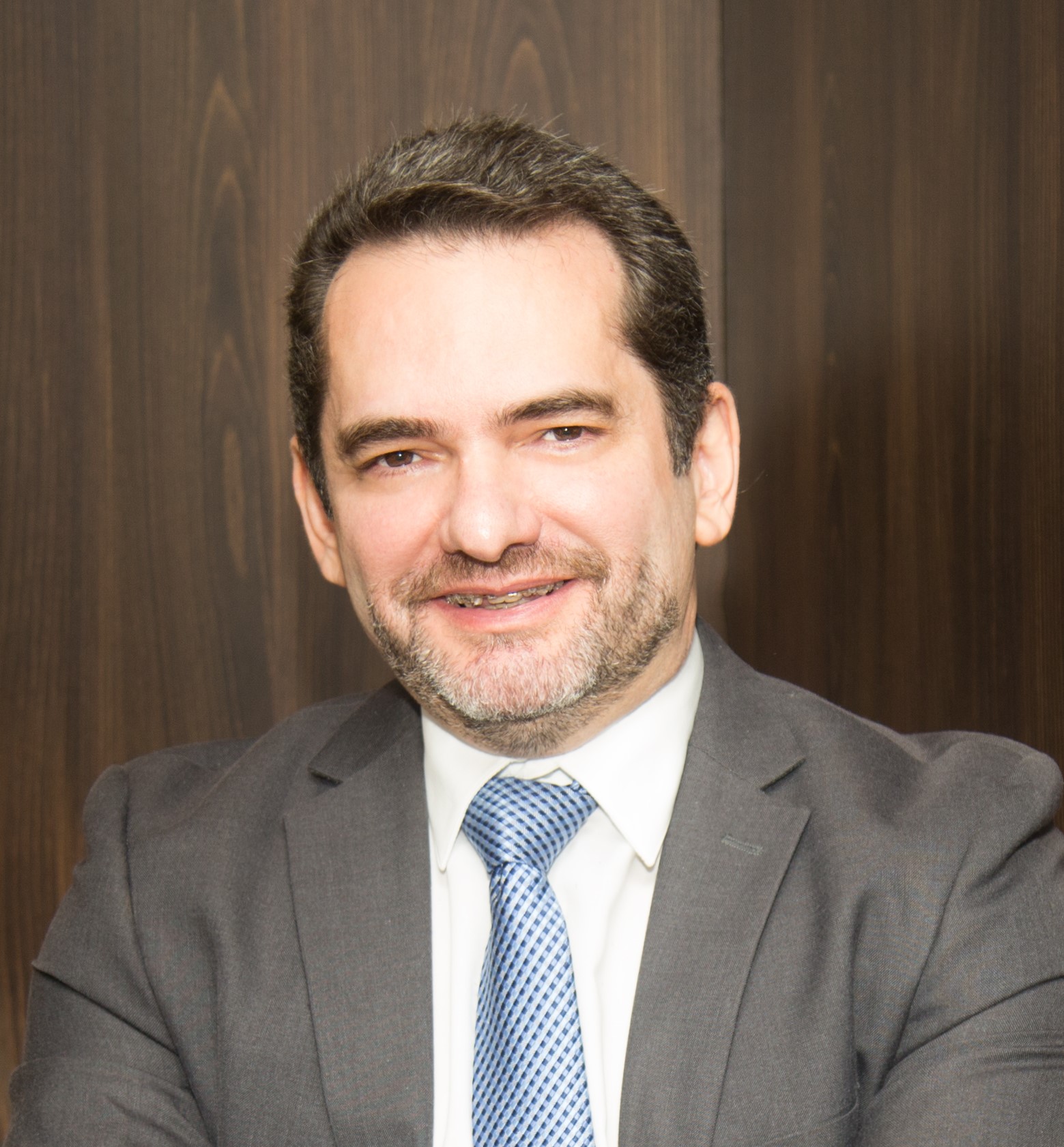
Prof. Dr Eberval Gadelha Figueiredo, MD, PhD
Associate Professor of Neurosurgery
University of São Paulo
Brazil
Past President of Brazilian Neurosurgical Society
Director of International Affairs Brazilian Neurosurgical Society
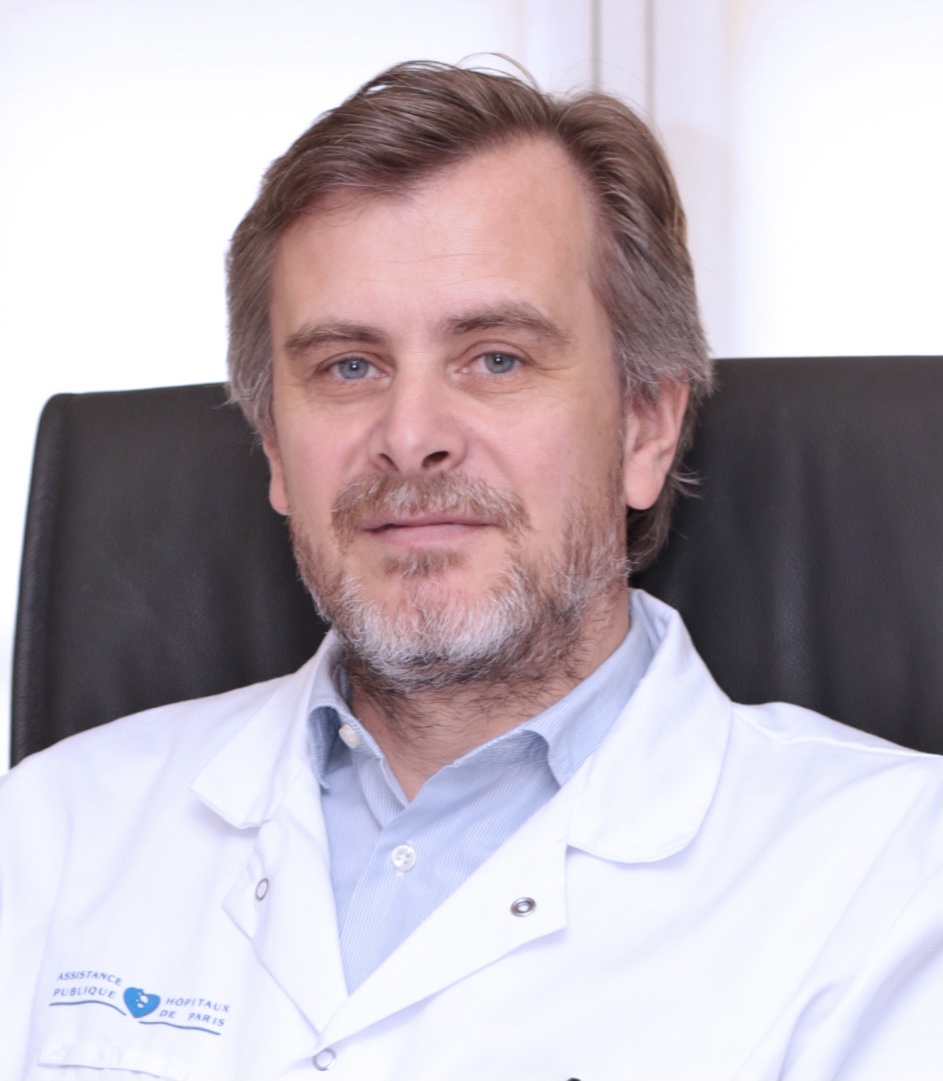
Sébastien Froelich is professor and chair of the neurosurgery department at Lariboisière Hospital, Assistance Publique – Hôpitaux de Paris, University of Paris Cité.
He obtained his MD and completed his residency at the university of Strasbourg. During his residency, he was awarded the research fellowship of the French speaking society of neurosurgery and was research fellow in 2000 at the department of neurosurgery, university of Cincinnati. In 2005-2006, he obtained advanced clinical fellowship training in skull base surgery at the department of neurosurgery, university of Cincinnati. In 2007, he became full professor of neurosurgery at university of Strasbourg and since 2014, he is chair of the department of neurosurgery at Lariboisière hospital in Paris.
Dr Froelich is renowned for his comprehensive treatment of complex brain tumors, skull base and CVJ lesions including pituitary adenomas, meningiomas, craniopharyngiomas, chordomas and chondrosarcomas. His clinical practice encompasses traditional open, minimally invasive endoscopic assisted and endonasal skull base approaches. He is also specialized in neurovascular surgery with an expertise in cerebrovascular bypass procedure for moya-moya, complex aneurysms and skull base tumors.
His research focuses on the tumorigenesis of chordomas, the link between progestins and meningiomas, and innovations in skull base surgery. He is director of the laboratory of experimental Neurosurgery in Lariboisière hospital, which focus on the development of innovative skull base and endoscopic technique, quantitative surgical neuroanatomy, virtual surgical simulation and the development of new surgical instrumentation and technology.
Dr Froelich has published over 180 peer-reviewed publications and 15 book chapters.
He is director since 2009 of hands-on skull base training program in IRCAD Strasbourg and Taiwan.
He is an active member of several national, European and international neurosurgical societies and served from 2017 to 2022 as the chairman of the skull base committee of the world Federation of the Neurological Societies. He is member of the board of the european skull base society and member of the World Academy of Neurosurgery.
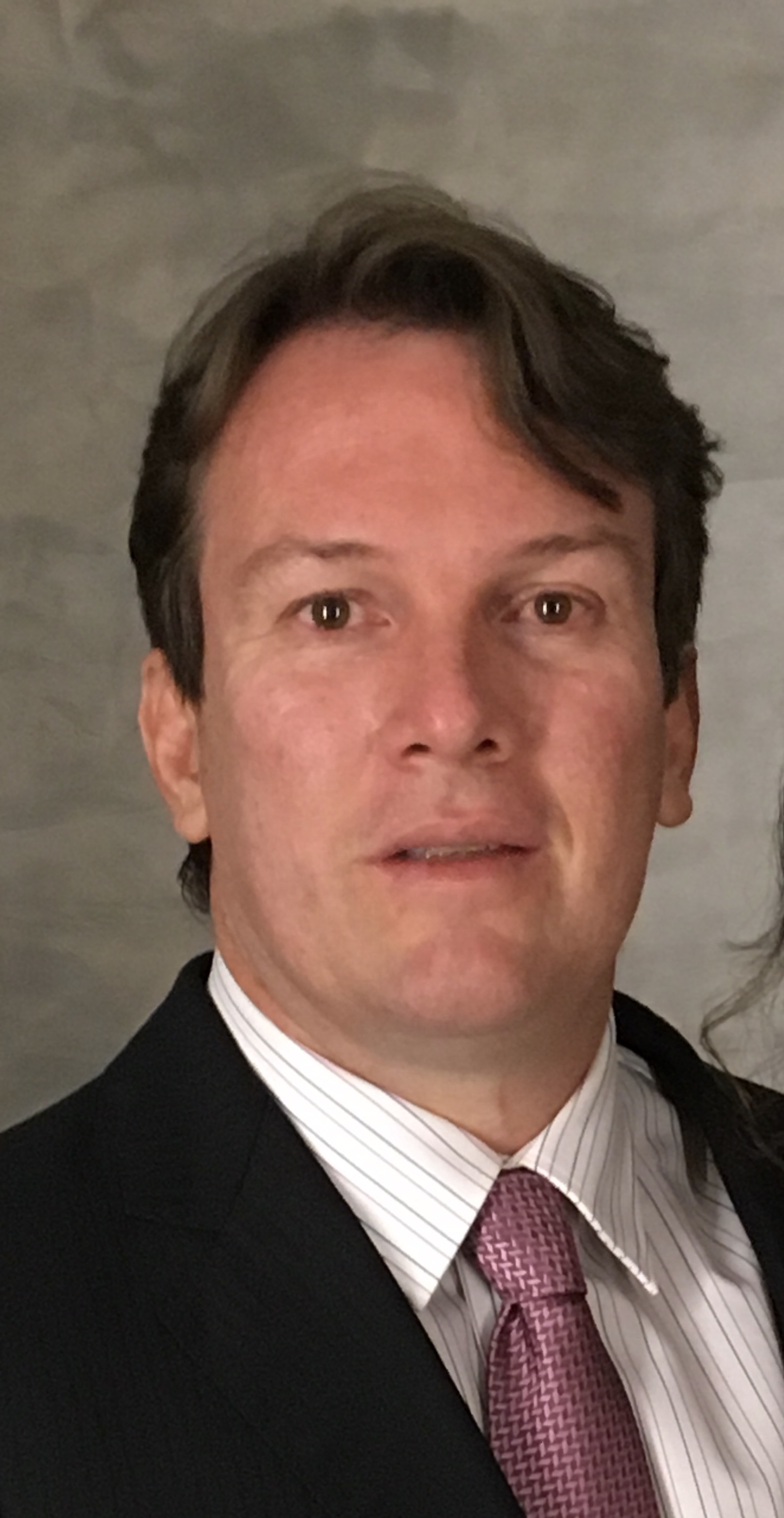
- President of Brazilian Society of Pediatric Neurosurgery
- Head of Neurosurgery department of Sarah Network of Hospitals - Brazil
- Master in Neuroscience at Brasilia University -UnB
- Fellowship in pediatric Neurosurgery with Prof. Leland Albright
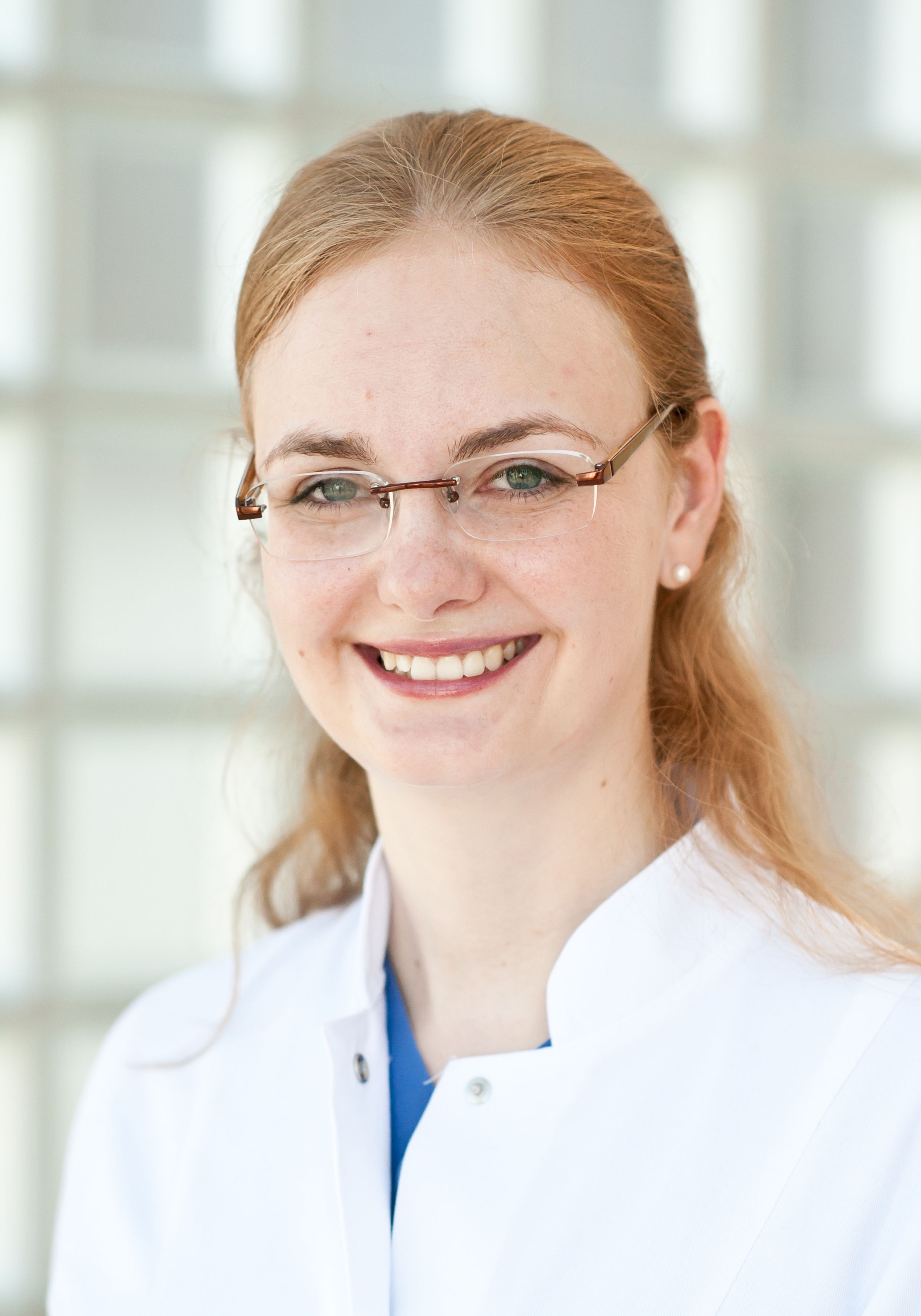
Prof. Dr. med Ann-Kristin Helmers
Bereichsleitern funktionelle Neurochirurgie
Klinik für Neurochirurgie, UKSH, Campus Kiel
Neurosurgeon of the
Neurological and Neurosurgical Clinic of Joinville - SC – Brazil
Associate Professor
Medicine School of Univille - Joinville - SC –
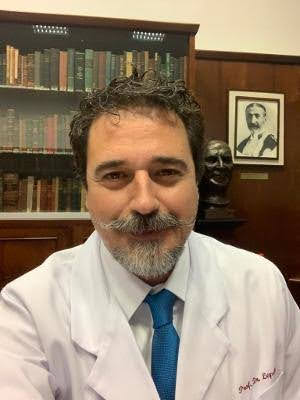
Dr Lepski graduated from the Medical School at the University of Sao Paulo, Brazil, in 1998. Soon thereafter he underwent training in Neurosurgery at USP, which ended in 2004; at that time, he moved to Germany, Uni Freiburg, as part of a doctoral program financed by DAAD. In Freiburg, he obtained the German Approbation in 2006. That year, he moved back to Brazil with wife and first son, Julian, and defended his doctoral dissertation at USP in the field of stem cell research. In 2007, he moved back to Germany to work at the Eberhard Karls Uni in Tuebingen. In 2008, he was recognized as Specialist in Neurosurgery (Facharzt für Neurochirurgie) by the German Society of Neurosurgery. In 2009, he presented his doctoral dissertation at Albert Ludwigs Uni in Freiburg, obtaining suma cum laude. He led the Section of Invasive Pain Treatment in the Department of Neurosurgery in Tuebingen from 2007 to 2011; during that period he had two more children, Nina and Luca. In 2013, he completed his professorship degree at the medical School from the University of Sao Paulo, and that same year, he obtained the German Habilitation at the Eberhard Karls University in Tübingen; the title of his dissertation was "Stem Cells For Restoration of the CNS". In Sao Paulo, he assumed the supervision of the medical residency in Neurosurgery at USP in 2015, which he presently continues to hold. He is also supervisor of the graduate programs in the departments of Neurology and Psychiatry at the Medical School, USP, and was elected president of the Medical Ethics Committee of the Hospital das Clínicas at USP. While a 4th child, Mila, arrived, he assumed the leadership of the research group in Experimental Neurosurgery, in parallel to his role as director of the Institute of Neurosurgery (INEC) in Sao Paulo."
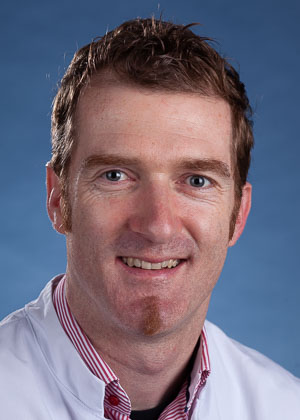
Stellvertretender Direktor der Klinik für Neurochirurgie am Universitätsklinikum des Saarlandes seit 2021 und als Sprecher der Sektion Technik und Innovationen der DGNC 2022 für eine Amtsperiode erneut gewählt. Sein wissenschaftlicher und klinischer Schwerpunkt liegt in der Neuroendoskopie und in der endonasalen sowie transkraniellen Schädelbasischirurgie.
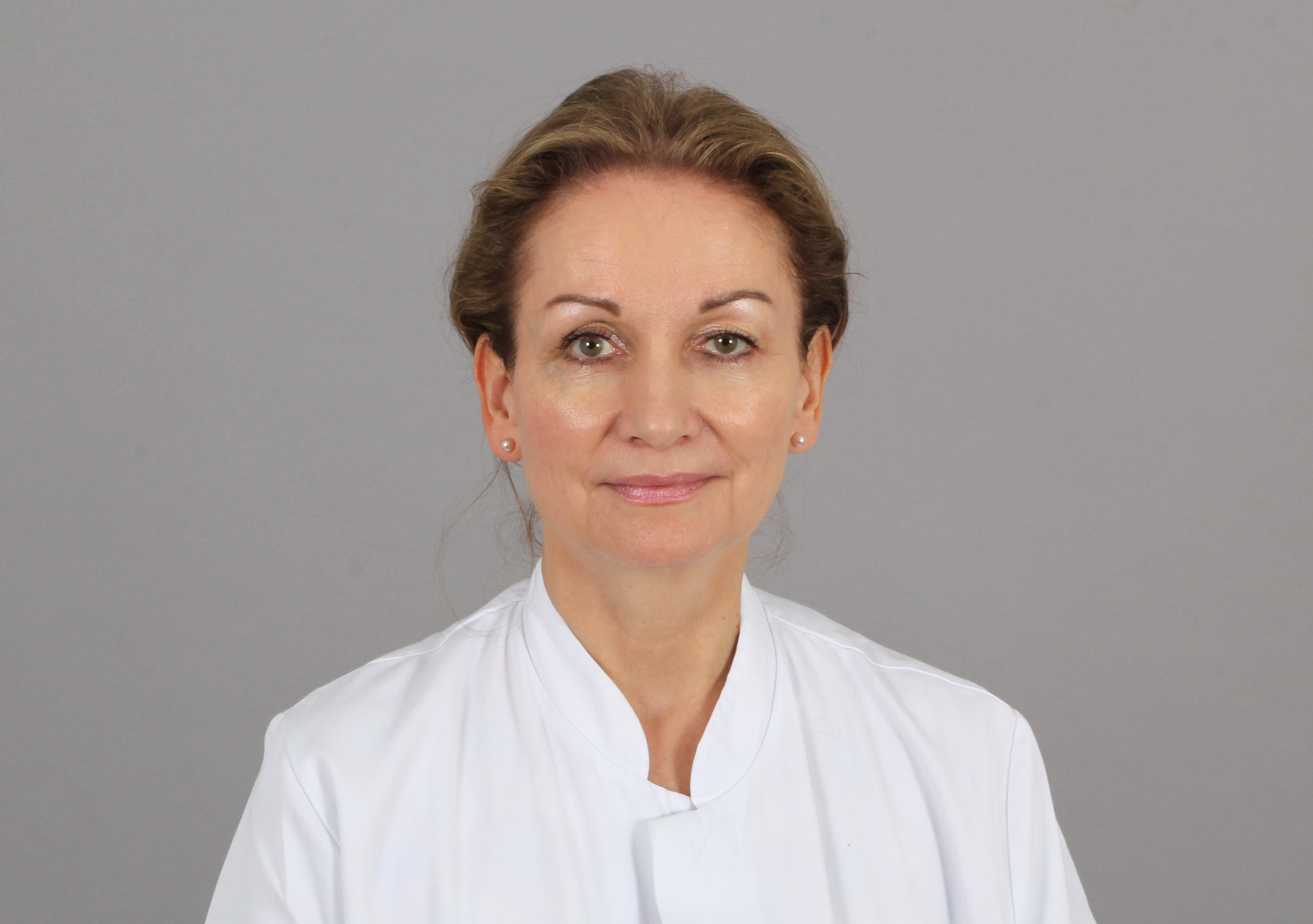
Professor Dr. Cordula Matthies holds the C3 Professorship for Functional Neurosurgery at the Medical Faculty of Würzburg University since 2004 and is the Vice Clinic Director of the Department of Neurosurgery at Würzburg University Clinic.
After her medical studies at Hannover Medical School, at Middlesex and University College Medical Schools London, and at Inselspital Bern, Switzerland, she performed her residency training in Neurosurgery at Hanover North City Hospital (Prof. Dr. Madjid Samii), followed by fellowships in skull base, peripheral nerve surgery and vascular neurosurgery as well as an elective in functional neuromodulation with Professor Dr. Louis-Alim Benabid, Grenoble, France.
As the Head of Functional Neurosurgery, her work focusses on two fields, Functional Neuromodulation & Functional Microsurgery: She introduced Deep Brain Stimulation to Würzburg Head Clinic in 2005 in an interdisciplinary cooperation with the Departments of Neurology (Prof. Joseph Claßen, since 2010 Prof. Jens Volkmann), Neuroradiology and Psychiatry, the interdisciplinary team performs neuromodulation in movement disorders, pain and new indications such as dementia, and initiates and cooperates in numerous studies on retuning network dysfunctions.
She has brought up the field of Functional Microsurgery by intensifying the longstanding interdisciplinary cooperation with the Department of Otorhinolaryngology, and the Comprehensive Hearing Center, at the skull base, especially for preservation and restoration of cranial nerve functions. She founded the Würzburg Center for Neurofibromatosis, and built up an interdisciplinary specialized team performing long-term care, diagnostics and treatment for patients and families with this chronic tumor disease. She is the neurosurgical representative of the Würzburg Interdisciplinary Skull Base Center, together with ORL, Maxillo-Facial Surgery and Neuroradiology.
She joins functional and neuro-modulatory microsurgery in her longstanding joint research work on Auditory Brainstem Implants in adults and children, with Würzburg Comprehensive Hearing Center and with Antwerp Academic University Hospital, Departments of Otorhinolaryngology, Professor Paul Van de Heyning & Prof. Vincent van Rompaey, and Department of Neurosurgery, Professor Tomas Menovsky, as well as Dr. Mania de Praeter, Pediatric Neurosurgery.
Prof. Matthies is involved in multiple research projects and acts as PI in clinical trials on DBS, ABI, neuro-oncology, in the overarching CRC SFB 295 with the Charité on neuromodulation supported by the German National Research Council DFG, and besides, in the Clinical Scientist Research Group KFO 5001 “Resolve Pain” on pain and pain resolution with a special interdisciplinary project with neuroradiology and neurology on “Neuropathy and Pain in Neurofibromatosis”, also supported by the German Research Council DFG.
As an active member and lecturer in the Graduate School of Life Sciences GSLS, in the Master Studies “Neurosciences” and a mentor in the Mentoring-med Program of Würzburg and Erlangen Universities she supports clinical and academic careers of young scientists.
For long, she has been a mentor and reviewer for the German National Scholarship Foundation.
For 8 years, from 2012 to 2020, she acted as the Speaker of the Section of Neurophysiology of the German Society of Neurosurgery.
She is an active member of multiple national and international societies (DGNC, BDNC, Neurosurgical Academy, GSB, Nerve Club, EANS, ESBS, NASBS) and involved in projects on Quality Control and Development of Guidelines. She is the coordinator of the “Guidelines on Peripheral Nerve Tumors” registered by the AWMF (Association of Scientific Medical Societies), published in December 2022, that integrate the state of the art knowledge on diagnostics and treatment by 15 medical disciplines and include a patient support initiative.
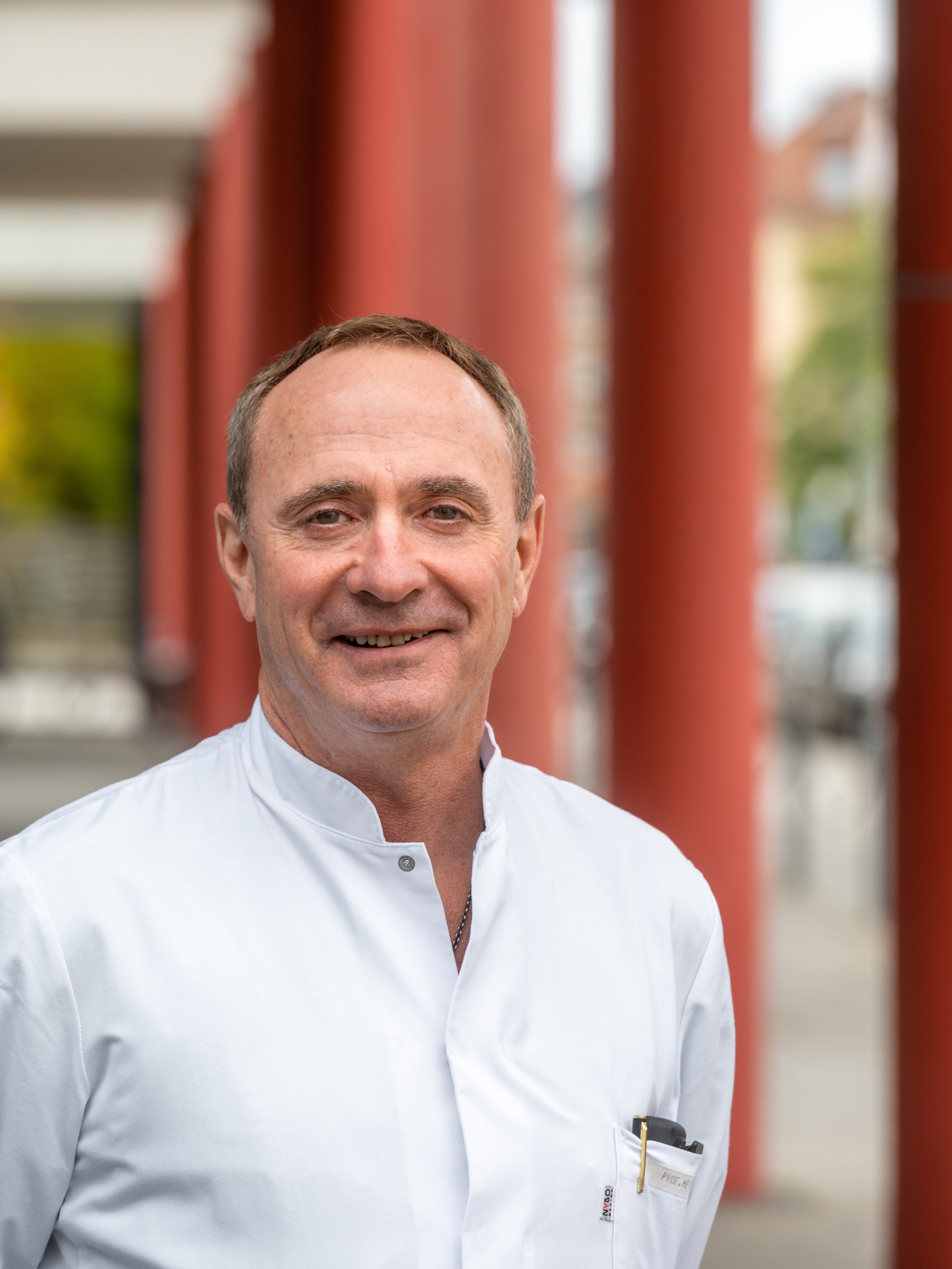
Bernhard Meyer MD is Professor of Neurosurgery at the Technical University of Munich School of Medicine and Chairman of the Department of Neurosurgery at the Klinikum rechts der Isar, Munich Germany. He was born in 1962 and trained in Italy and the US as well as his native Germany before starting his internship in Neurosurgery at the University of Tubingen. He completed his residency in 1995 within the Neurosurgical Department at the University of Bonn, where he stayed for over ten years, ending his time there as Associate Professor. In 2006, he was appointed Full Professor of Neurosurgery and Chairman of the Neurosurgical Department at the Technical University of Munich. In addition to his role as Past Chair of the EANS Spine Section, he holds a number of other positions with scientific societies. He is Past-President of the Germany Academy of Neurosurgery (DANC), Past-President of the International Group for the Advancement of Spinal Surgery (IGASS) and Past President of the German Spine Society (DWG), as well as Past Chairman of the Education Committee of Eurospine (SSE) and AO Spine. He also sits on the editorial board or acts as reviewer for over 20 Journals. In addition to Spinal Neurosurgery, his clinical/scientific interests include Neurooncology and the Neurovascular field.
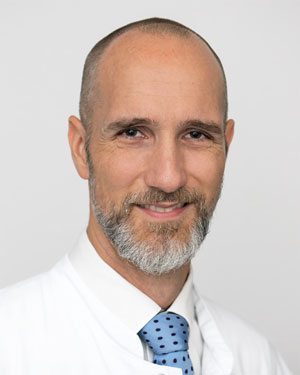
In the context of his thesis, Julian Prell developed an automated computer-system, which was capable of identifying pathological patterns of intraoperative facial nerve EMG in cerebellopontine angle surgery. The system served as a basis for Julian Prell´s future scientific work, which he continued as a resident in the Neurosurgical department of the University of Erlangen from 2004 to 2006.
In 2006, he relocated to Halle, Germany, together with his mentor Christian Strauss. Immediately after finishing his neurosurgical training in 2010, Julian Prell became an Attendant Neurosurgeon in Halle. The automated monitoring system for the facial nerve was developed further, and consecutive papers on this topic were published by his group. This work has been continuously supported by the Deutsche Forschungsgemeinschaft DFG since 2010.
Besides that, Julian Prell investigated into depth of anaesthesia in a cooperation with the Anaesthesiological Department as well as into the detection and prevention of perioperative thromboembolism together with the Department of Angiology, with high-ranking publications respectively. These projects have also been founded by the Deutsche Forschungsgemeinschaft and by local trusts.
In 2014, Julian Prell received the German postdoctorate lecture qualification and published his postdoctorate thesis, reflecting 15 years of basic and clinical research into monitoring of the facial nerve EMG. In 2015, he was promoted to the position of Deputy Director of the Neurosurgical Department of the University Halle-Wittenberg. In 2019, his scientific achievements were acknowledged by the academic position of “außerplanmäßiger Professor”.
In 2019, Julian Prell was elected as speaker for the section “Innovation und Technik” of the DGNC; he was re-elected in 2021. Since 2021, Julian Prell also heads the permanent faculty which organizes the certification process for Intraoperative Neurophysiologic Monitoring for the Neurochirurgische Akademie (NCA). Julian Prell is a member of the DGNC, BDNC, NCA, ISIN and EANS.
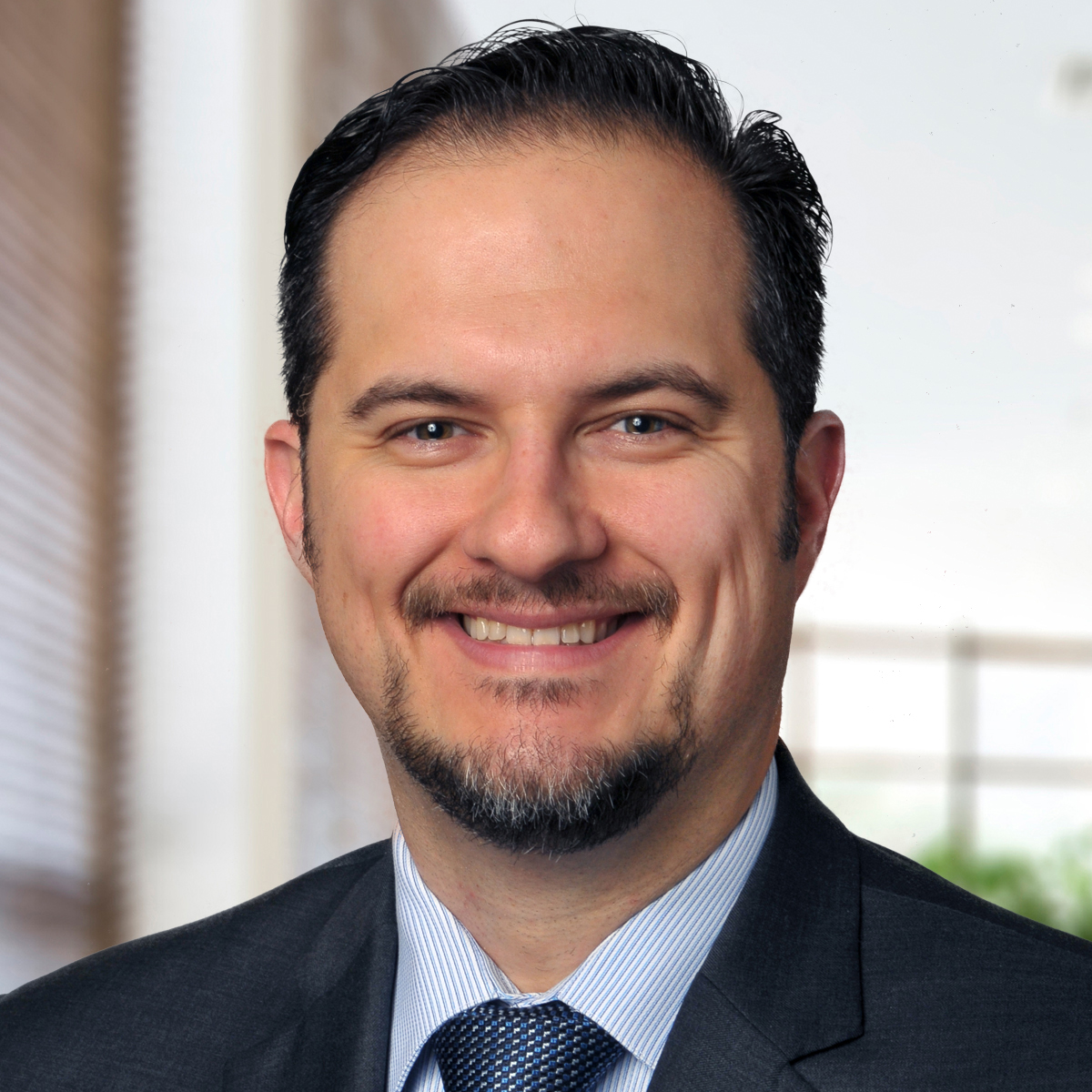
I am the vice chair for Academic Affairs and director of the Skull Base and Pituitary Surgery Programs at the OSUCCC – James. I joined The Ohio State University in 2010 and became a professor in 2017. My medical journey began in Brazil, where I attended medical school and finished my residency. I then completed a fellowship in neuroendocrine and pituitary surgery at the University of Virginia and another in skull base and cerebrovascular surgery at the University of Pittsburgh. I specialize in brain and skull base tumors, and I am a pioneer in endoscopic endonasal approach (EEA) and other minimally invasive techniques for brain tumor removal. I am one of only a few neurosurgeons in the world who have performed more than 1,000 EEA cases. This technique allows surgeons to access the base of the skull, the intracranial cavity and the top of the spine by operating through the nose and paranasal sinuses. My current research focuses on developing minimally invasive approaches to the brain and skull base that will result in the best surgical tumor resection possible with the least amount of disruption to normal tissue. Our individualized patient approach, combined with opportunities for research, makes The James a very fulfilling place to work. There are few places that offer the types of highly specialized surgery that we do, and I’m proud to be a part of our patients’ care.
Daniel M. Prevedello, M.D.
Professor
Co-Director, Skull Base Surgery Fellowship
Director, Comprehensive Skull Base Center at The James
Director, Pituitary Surgery Program
The Ohio State University Wexner Medical Center
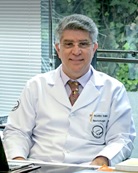
RICARDO RAMINA, M.D., M.Sc., Ph.D.
Professor and Chairman of the Neurosurgical Department, Neurological Institute of Curitiba, Brazil, Post-graduate centre of the WFNS (World Federation of Neurosurgical Societies)
Professor – Post-graduate Course in Neurosurgery at the Neurological Institute of Curitiba, Brazil
Medical Residence in Neurosurgery at Nordstadt Krankenhaus in Hannover, Germany (Prof. Dr. Madjid Samii)
Associated Neurosurgeon (“Oberarzt”) at Nordstadt Krankenhaus Hannover, Germany
Associated Prof. (ad Hoc) George Washington University, USA
Professor at University of Concepción-Chile
Board Specialist in Neurosurgery in Germany and Brazil
M.Sc. in Surgery, Federal University of Parana, Brazil
PhD in neurosurgery, State University of Campinas, Brazil
Published papers in peer-review journals – 214
Author & Editor of Neurosurgical Books– 11
Books chapters – 51
Editor in chief of “Brazilian Journal of Neurosurgery”
President of the Brazilian Neurosurgical Academy (2017-2019)
Coordinator of the Education Committee of the Brazilian Neurosurgical Society
Academic interests: Skull Base, Vascular, Oncology
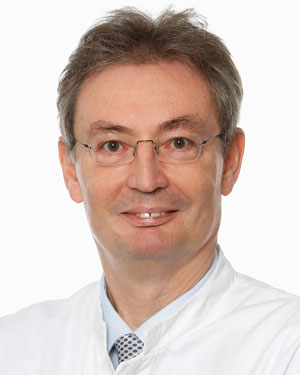
Guido Reifenberger is Professor of Neuropathology and Chair of the Institute of Neuropathology at Heinrich Heine University Düsseldorf. He also serves as co-chair of the Brain Tumor Reference Center of the German Society of Neuropathology and Neuroanatomy (DGNN). Since 2020 he is the Vice Dean for Research and Junior Scientists of the Medical Faculty at Heinrich Heine University. He was a member of the editorial advisory boards of the WHO classifications of CNS tumors 2016 and 2021, and is a member of the steering board of the cIMPACT-NOW consortium for regular updates on CNS tumor classification. His research aims to improve the understanding of molecular mechanisms driving initiation, progression and therapy resistance of CNS tumors, with a particular focus on gliomas. A specific interest consists in the characterization and clinical translation of novel molecular diagnostic techniques and biomarkers for improved brain tumor diagnostics.
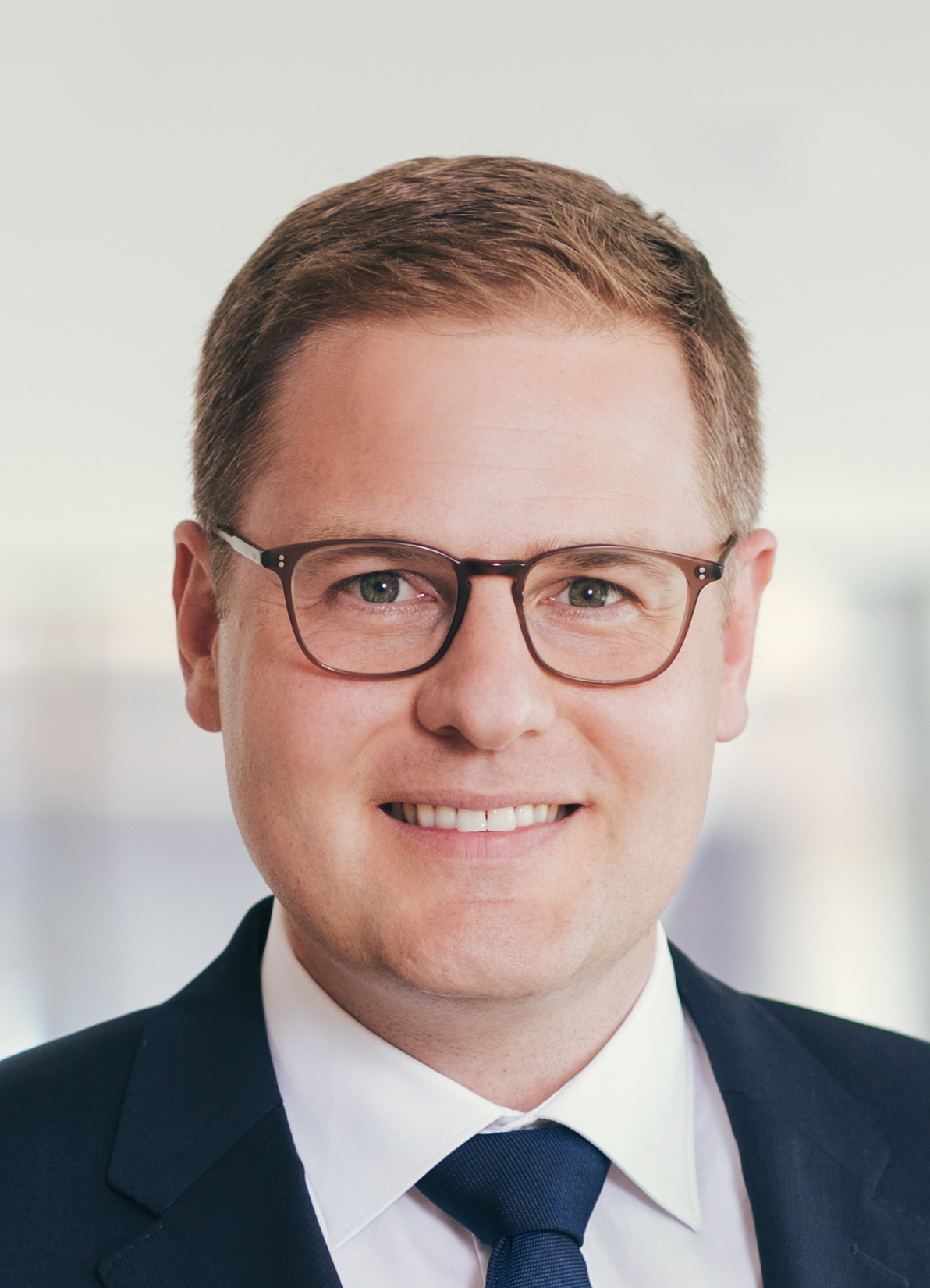
- Education:
2004-2006 Medical School (preclincial), Semmelweis University, Budapest, Hungary
2006-2010 Medical School (clinical) Eberhard Karls Universität, Tübingen, Germany
2009 Fellowship, YALE Neurogenetics Laboratory, Genetics in Cerebrovascular Diseases, YALE University, School of Medicine, New Haven, Ct., USA
2012 Fellowship for Intraoperative Imaging, Department of Neurosurgery, Washington University, St. Louis, MO, USA
2017 Clinical Fellowship for Vascular and Skullbase Surgery, University of Cincinatti, OH., USA
- Doctoral thesis:
2010 „Common Genetic Polymorphisms in Moyamoya and Atherosclerotic Disease”, Tübingen (Department of Neurosurgery)
- Habilitation:
2017 “Intraoperative MRI in Neurosurgery: Technical developments, indications and impact on the treatment of patients”,
Department of Neurosurgery, Tübingen
2020 Professor for Neurosurgery (Außerplanmäßige Professur),Department of Neurosurgery, Tübingen
- Neurosurgery:
2011-2017 Resident, Department of Neurosurgery, University Hospital of Tübingen, Tübingen, Germany (Prof. Dr. M. Tatagiba)
2017- Board-certified Neurosurgeon and Senior Neurosurgeon, Department of Neurosurgery, University Hospital of Tübingen,
Tübingen, Germany (Prof. Dr. M. Tatagiba)
2019- Managing Senior Neurosurgeon, Department of Neurosurgery, University Hospital of Tübingen, Tübingen, Germany (Prof. Dr. M. Tatagiba)
2020- Head of Neurovascular Surgery, Department of Neurosurgery, University Hospital of Tübingen, Tübingen, Germany
(Prof. Dr. M. Tatagiba)
- Clinical activities:
- Coordinator for Intraoperative Imaging and Visualization, Department of Neurosurgery, Tübingen
- Medical coordinator of the Center for Neurooncology (ZNO), Tübingen
- Medical coordinator of the Tübingen Center for Moyamoya Disease and revascularization surgery
- Deputy coordinator for neurosurgical teaching
- Deputy coordinator Center for Neurovascular Diseases, Tübingen (ZNET)
- Main scientific interest:
- Moyamoya Disease
- Intraoperative MR imaging
- Surgical Neurooncology
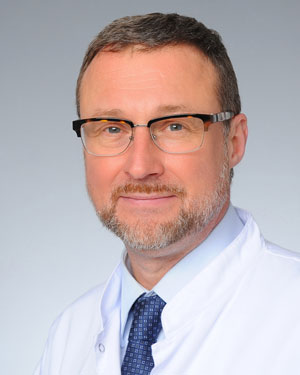
Professor Maximilian I. Ruge grew up in Munich, Germany. After studying medicine at the Ludwig-Maximilians University (LMU) in Munich, he completed a three-year research fellowship at the Memorial Sloan Kettering Cancer Center and at the Cornell University in New York in the Departments of Neurology, Neurosurgery and Neuroscience. Thereafter he continued his residency in the Department of Neurosurgery at the Klinikum Großhadern of the LMU in Munich.
After board certification in Neurosurgery he changed 2007 to the Department for Stereotaxy and Functional Neurosurgery at the University Clinic of Cologne and completed his Habilitation in February 2011. Since May 2015, he is Deputy Director of the Clinic. In 2017, Professor Ruge was appointed to the Professorship (W2) for Oncological Stereotaxy and as Chief of the Division for Oncological Stereotaxy and Radiosurgery within the Clinic and the Centre for Neurosurgery at the University Clinic of Cologne. He is board certified for applying Stereotactic Radiosurgery (CNS) and Stereotactic Brachytherapy (brain).
His clinical, surgical and scientific focus lies in Stereotactic Radiosurgery and Brachytherapy, clinical Neuro-Oncology for adult and pediatric patients,
Stereotactic OR-Techniques and imaging in Neuroscience and Neuro-Oncology.
Professor Ruge is active member in the EORTC Brain Tumor Group, the Neuroonkologische Arbeitsgemeinschaft (NOA), the Radiosurgery Society (RSS), the European Association Neurological Surgeons (EANS), the European Association of Neuro-Oncology (EANO), the Society of Neuro-Oncology (SNO) and the Deutsche Gesellschaft für Neurochirurgie (DGNC).
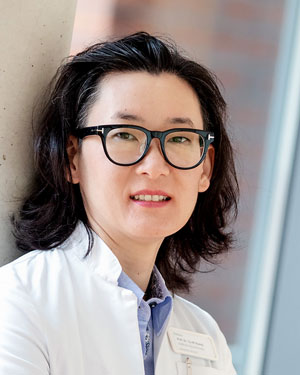
Prof. Yu-Mi Ryang completed her Neurosurgical Training at the Dept. of Neurosurgery at the University Hospital RWTH Aachen, Germany. She then took a position as attending neurosurgeon at the Dept. of Neurosurgery at the Klinikum rechts der Isar, Technical University Munich, where she later became Vice Chair and was appointed to „außerplanmäßige Professorin“ of the TU Munich. Since 2019 she is head of the Dept. of Neurosurgery & Center for Spine Therapy, Helios Klinikum Berlin-Buch. Her clinical specialties are neurooncology, vascular neurosurgery and spine surgery (esp. tumors, infections, osteoporotic fractures) and deformity surgery in cooperation with an orthopedic spinal deformity specialist. She is faculty member of AOSpine, DGNC, DWG, EANS and EUROSPINE, past member of the DWG Steering Committee, and actual member of the DWG Research & Science Committee, DWG Training Committee, DWG Quality Control Committee, DWG Program Committee and member of the Scientific Advisory Board of the official DWG Journal „Die Wirbelsäule“ (Thieme Verlag), the AO Technical Commission CTITF (Cervico Thoracic Instrumentation Task Force), OSITF (Osteoporotic Spine Instrumentation Task Force), FTDEG (Fracture, Tumor and Deformity Expert Group), AG Osteoporotic Fractures DGOU Spine Section, EUROSPINE Education Committee and co-chair of the DWG Basic Course Module 5 (tumor, infectious and systemic diseases of the spine) and EUROSPINE Basic Module 4 (Trauma).
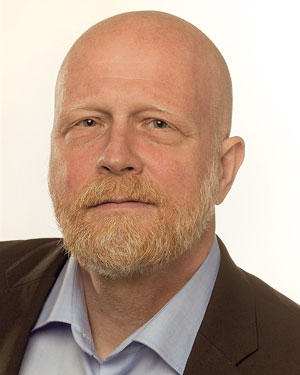
Professor Sabel is a leading neurooncological neurosurgeon in Germany. He is Head of the Centre of Neurooncology at the University Hospital Düsseldorf. He focuses on supramarginal resection of infiltrating brain tumours. He is dedicated to neuro-oncological education and has developed a surgical training program for brain tumor resection.
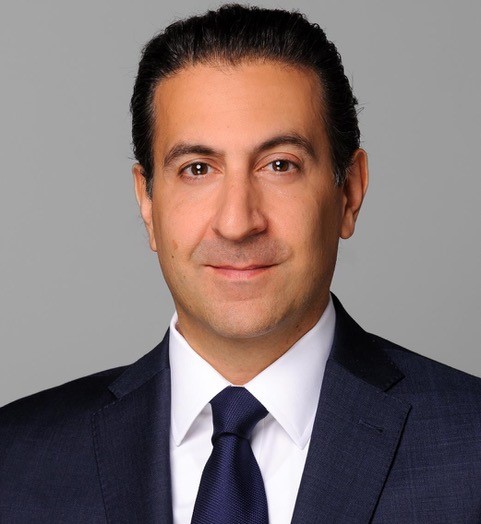
Prof. Dr. med. Amir Samii was born on July 1st, 1970 in Mainz, Germany.
He has graduated from Hannover Medical School in 1995 and received his neurosurgical and neuroscience training at Humboldt University in Berlin, University of California Los Angeles and at Nordstadt Hospital Hannover. In 4/2002 he received his Venia legendi at Hannover Medical School and in 4/2003 the Board of Neurosurgery in Lower Saxony. Thereafter, he completed his fellowship in skull base surgery with Prof. Madjid Samii at INI Hannover where he worked thereafter from 2005-2014 as Vice-Chairman of the Department of Neurosurgery.
Since 2008 he is Vice President and Deputy Medical Director of the International Neuroscience Institute-Hannover and Professor of Neurosurgery at Hannover Medical School. Prof. Samii has served as chairman of the “Neurosurgical Technology Committee” of the World Federation of Neurosurgical Societies (2007-2013) and member of the Administrative Council of the World Federation of Neurosurgical Societies (2013-2017 Assistant Treasurer, 2017-2021 Treasurer).
Prof. Amir Samii has published more than 150 peer reviewed papers and has editorial functions in numerous journals. He is a fellow of the Leibniz Institute for Neurobiology in Magdeburg and received the honorary membership from several international neurosurgical societies.
His early scientific work was focused on the pathophysiology of experimental TBI. More than 25 years ago he started to work on the surgical integration and scientific evaluation of neuronavigation and intraoperative visualization. He has also specialized in complex skull base surgery and in the field of hearing restoration with innovative neurobionic implants.
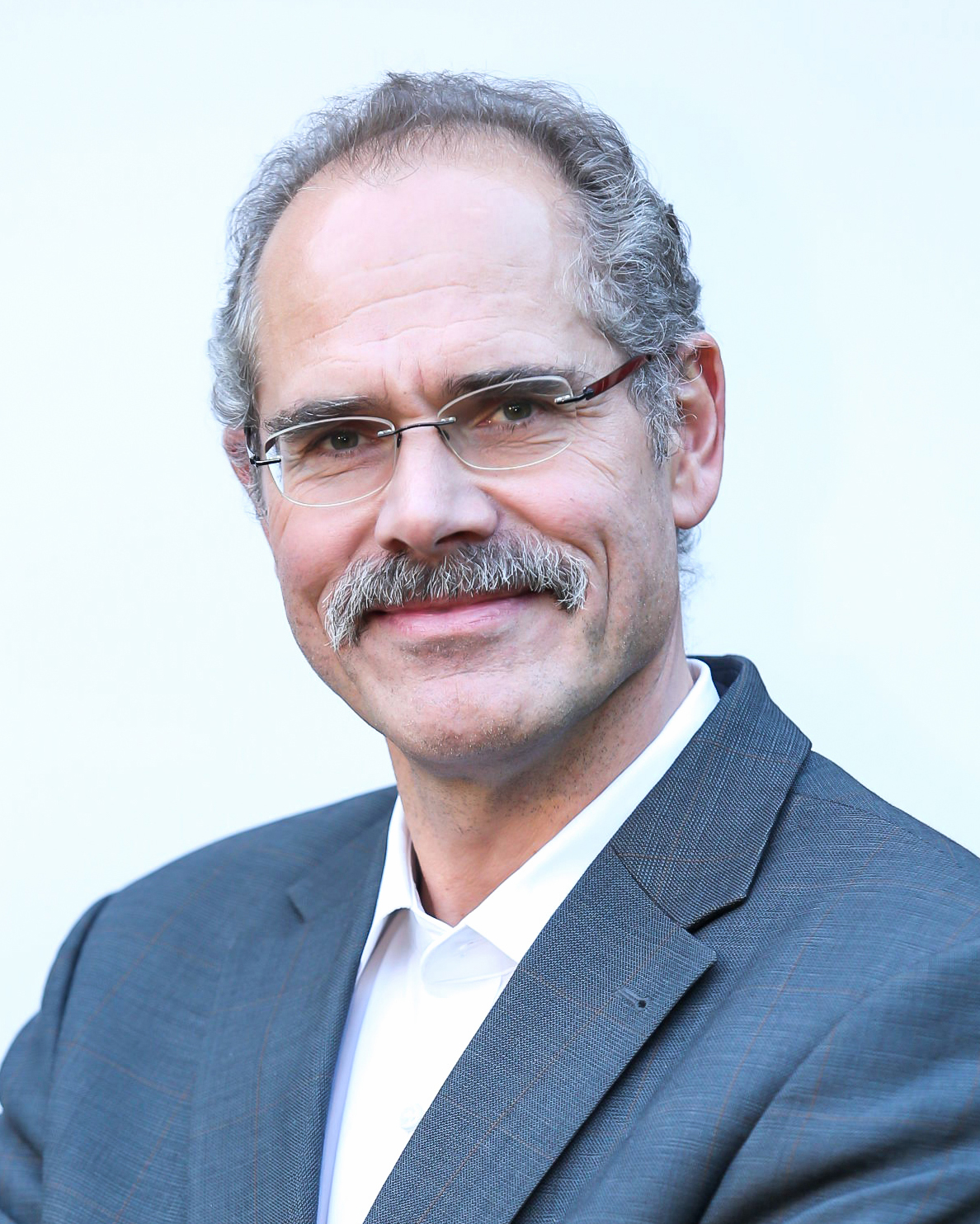
Henry W. S. Schroeder, M. D., Ph.D. is professor and chairman at the Department of Neurosurgery at the University Medicine in Greifswald, Germany. He obtained his MD at the University in Greifswald in 1989. In 1996 he received the Board Certification as Neurosurgeon. Since 2004 he is Professor of Neurosurgery and Chairman of the Department of Neurosurgery at
the University Medicine in Greifswald.
Dr. Schroeder is Member of the German Society of Neurosurgery and of the German Academy of Neurosurgery, International Member of the Congress of Neurological Surgeons, International Fellow of the American Association of Neurological Surgeons, Member of the European Association of Neurosurgical Societies, Secretary of the German Society of Skullbase Surgery, President of the International Federation of Neuroendoscopy, and was the Chairman of the Neuroendoscopy committee of the WFNS from 2014 -2017.
His main operative and scientific interests are endoscopic neurosurgery (hydrocephalus, cysts, intraventricular lesions), endoscope-assisted skullbase surgery (meningeomas, vestibular schwannomas, epidermoids, microvascular decompression), and endoscopic endonasal skullbase surgery (pituitary adenomas, craniopharyngiomas, chordomas, chondrosarcomas).
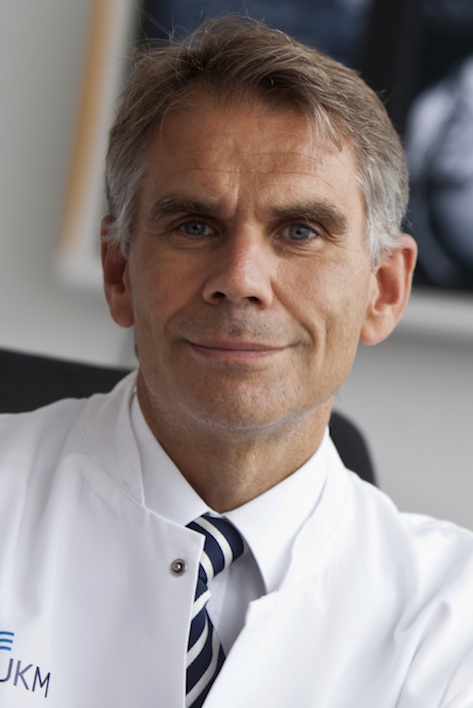
Walter Stummer trained with Hans-Jürgen Reulen and Jörg Tonn at the Ludwig-Maximilian’s-University in Munich. He is presently the Chairman of the Department of Neurosurgery at the University of Münster and Director of the University of Münster Brain Tumor Center. He served 2 terms as Speaker of the Section Neurooncology of the German Society of Neurosurgery, two terms as
Speaker of the Neuro-Oncological Working Group (NOA) of the German Cancer Society, and was President of the German Society of Neurosurgery (DGNC) from 2016-2018. He was implemental in organizing structured neuro-oncological care in Germany in a commission appointed by the German Cancer Society. He founded the Brain Tumor Center Münster, the first to be certified by the German Cancer Society.
His main scientific interests are in the field of neuro-oncology and he is pioneer of fluorescence-guided resections with 5-ALA. His first publication of this method in clinical practice was in 1998 and he was PI on a randomized study for EMA and recently, FDA approval of this method. He has received a number of prizes for this work, for instance the AANS/CNS Young Investigators Award, the AANS/CNS Joint Tumor Section's Young Clinical Investigators Award and the WFNS-Award.. Other scientific interests are in vascular and skull base surgery.
Walter Stummer is serving on the editorial boards of several neurosurgical and neuro-oncological journals.
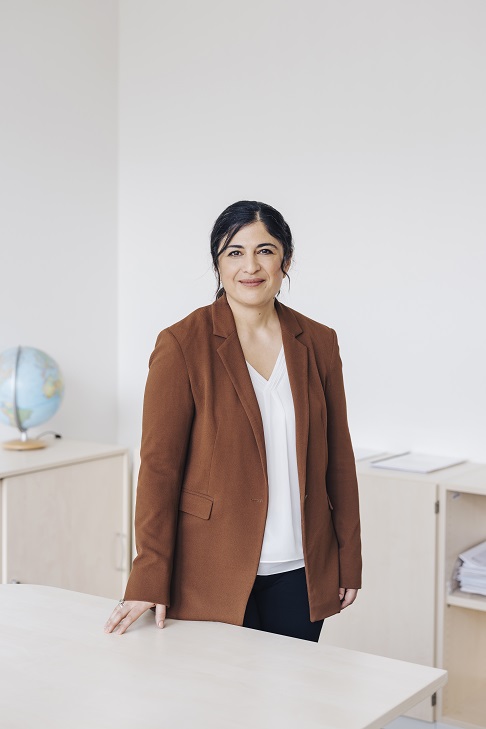
Berufliche Laufbahn
Seit 2022 Stellv. Sprecherin (Klinik) Comprehensive Cancer Center Tübingen-Stuttgart
Seit 2019 Ärztliche Direktorin, Abteilung Neurologie mit interdisziplinärem
Schwerpunkt Neuroonkologie, Neurologische Universitätsklinik & Hertie-
Institut für Klinische Hirnforschung, Universitätsklinikum Tübingen &
Eberhard Karls Universität Tübingen
Seit 2014 Sprecherin, Zentrum für Neuroonkologie am Comprehensive Cancer Center
Tübingen-Stuttgart, Universitätsklinikum und Eberhard Karls Universität
Tübingen
2014 – 2019 Ärztliche Leiterin der Interdisziplinären Sektion Neuroonkologie,
Universitätsklinik Tübingen
Seit 2014 Universitätsprofessorin (W3) an der Eberhard Karls Universität Tübingen
2009 - 2014 Forschungsgruppenleitern, Zentrum für Neurowissenschaften Zürich, ETH &
Universität Zürich
2009 - 2014 Oberärztin, Neurologische Klinik, Universitätsspital Zürich
Akademische Weiterbildung
2017 – 2019 Certificate of Advanced Studies, „Systemisch-integratives Management im
Gesundheitswesen“, Universität St. Gallen
2012 Venia legendi, Neurologie, Universität Zürich
2011 – 2012 Certificate of Advanced Studies “Clinical Trials Management”, Universität
Zürich
2011 Zertifikat „Zerebrovaskuläre Erkrankungen“, Schweizerische Gesellschaft für
Klinische Neurophysiologie (SGKN)
2010 Zertifikat „Elektroenzephalographie“, Schweizerische Gesellschaft für Klinische
Neurophysiologie (SGKN)
2008 – 2009 Ministeriales Lehrzertifikat, Medizindidaktisches Komptenzzentrum Tübingen
2005 – 2009 Dissertation (Dr. rer. nat.), Doctoral program Graduate Training Center for
Neuroscience Tübingen (Note: summa cum laude)
2008 Facharztbezeichnung Neurologie, Landesärztekammer BW
2003 - 2009 Weiterbildungsassistentin Neurologie, Universitätsklinikum Tübingen
2001 – 2003 Assistenzärztin, Neuropathologie, Universitätsspital Zürich
2000 – 2001 Praktisches Jahr, Wahlfach Neurologie, Harvard Medical School, Boston, USA
1999 – 2002 Dissertation (Dr. med.), Heinrich-Heine-Universität Düsseldorf (Note: summa
cum laude)
1995 – 2001 Studentische Tutorin, Medizindidaktisches Pilotprojekt, Bildgebung in
Kleingruppenunterricht, Heinrich-Heine-Universität Düsseldorf
1993 – 2000 Studium Humanmedizin, Heinrich-Heine-Universität Düsseldorf
Aktuelle wissenschaftliche Verbundprojekte & klinische Studien
Seit 2021 Studienleiterin der multizentrischen wissenschafts-initiierten Phase 1-Studie
„IT-PD1“/NOA-26 (NCT05112549)
Seit 2021 Studienleiterin der wissenschafts-initiierten monozentrischen Phase 1-Studie
„Glio-XS15“ (NCT04842513)
Seit 2017 Federführende Sprecherin, Else Kröner -Forschungskolleg für junge Ärztinnen
und Ärzte ‘Therapieresistenz solider Tumore‘
Seit 2019 Principal Investigator im Exzellenz-Cluster iFIT (EXC 2180) (Sprecher: Prof. Dr.
L. Zender, Prof. Dr. B. Pichler, Prof. Dr. H.-G. Rammensee)
2
Vorstand Medizinische Fakultät Tübingen (Amtsperiode Dekan Prof. Dr. I. B. Autenrieth)
2019 – 2020 Prodekanin (Klinische Forschung, Digitalisierung, Nachwuchsförderung)
2018 – 2020 Studiendekanin, Studiengänge Molekulare Medizin
2016 – 2018 Stellv. Studiendekanin, Studiengänge Molekulare Medizin
Wissenschaftlich-orientierte (inter)nationale und universitäre Gremien
Seit 2021 Institut National du Cancer/France, Scientific Evaluation Committee
Seit 2021 CNS Tumours Faculty Group der European Society for Medical Oncology
Seit 2020 Deutsche Forschungsgemeinschaft, Fachkollegium „Neurowissenschaften“
Seit 2020 Vorsitz, erweiterte Forschungskommission „Angewandte Klinische
Forschung“, Medizinische Fakultät Tübingen
Seit 2020 Vorsitz, Kommission „Broad Consent“, Medizinische Fakultät Tübingen
Seit 2019 Vorsitz, neu gegründete Strategiekommission der Deutschen Zentren für
Gesundheit (DZG) „Regulation klinischer Studien“ (mit Vertretern aller DZG
und aller regulatorischer Behörden BfArm, PEI, BfS und auch Arbeitskreis
medizinischer Ethikkommissionen)
Seit 2019 Guideline Committee der European Association of Neuro-Oncology
2017 – 2020 Vorsitz, Kommission Forschungsbiobanken, Medizinische Fakultät und
Universitätsklinikum Tübingen
2016 – 2019 Fakultätsrat, Medizinische Fakultät Tübingen
2016 – 2019 Ombudsperson Klinische Forschung, Medizinische Fakultät Tübingen
2016 – 2019 Ethikkommission, Medizinische Fakultät Tübingen
Seit 2017 Vorstand, Zentrum für Personalisierte Medizin Tübingen
Seit 2016 (Erweiterte) Forschungskommission, Medizinische Fakultät Tübingen
Seit 2016 Geschäftsführender Vorstand, Comprehensive Cancer Center Tübingen
Seit 2015 Neuroonkologie-Kommission der World Federation of Neurosurgical Societies
Seit 2008 Brain Tumor Group der European Organisation for Research and Treatment of
Cancer
Mitgliedschaft in (inter)nationalen Fachgesellschaften
American Society of Oncology, European Association of Neuro-Oncology, European Organisation for
Research and Treatment of Cancer, Schweizer Gesellschaft für Klinische Neurophysiologie, Deutsche
Gesellschaft für Neurologie, Deutsche Krebsgesellschaft, Neurowissenschaftliche Gesellschaft
Gutachter-Tätigkeit für wissenschaftliche Publikationsorgane (Selektion)
Acta Neuropathologica, Annals of Oncology, Brain, Clinical Cancer Research, European Journal of
Cancer, Journal of Cellular and Molecular Medicine, Neuro-Oncology
Gutachter-Tätigkeit für (inter)nationale Förder-Organisationen
Deutsche Krebshilfe, Deutsche Forschungsgemeinschaft, Cancer Research UK (GB), Yorkshire Cancer
Center (GB), Oncosuisse (CH), Institut National du Cancer (F), Agence Nationale de la Recherche (F),
ZonMW Niederlande
Google Scholar: scholar.google.co.uk/citations
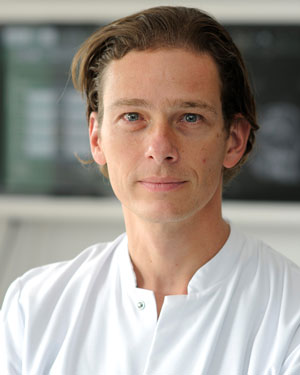
Peter Vajkoczy was born in Munich in 1968 and began his professional career as a resident at the Department of Neurosurgery at the University Hospital of Mannheim. Since 2007, he has been Chairman and Professor at the Department of Neurosurgery and Paediatric Neurosurgery at the Charité Medical Centre, Campus Charité Mitte, Campus Virchow Hospital, Campus Benjamin Franklin and Charité University Medicine Berlin. He has also numerous responsibilities in the medical field: as Chairman of the Department of Neurosurgery and Paediatric Neurosurgery at Charité University Medicine Berlin and as Board Member of the Stroke Centre Berlin. Furthermore, he is member of numerous societies, such as the German Critical Care Society and the Spine Society of Europe. During his career, he has received numerous awards, including the Research Award of the German Academy of Neurosurgery, the Viking Lecture Award of Scandinavian Course of Neurosurgery and the European Lecture Award of the European Association of Neurosurgical Societies.
His clinical interests in neurosurgery include neurovascular surgery, skull base surgery and spine surgery. In addition, his research interests are regeneration and repair after stroke, the role of innate immune system in tumor angiogenesis and SAH, moyamoya disease, cervical degenerative myelopathy, metastatic spine disease and spinal cord inflammation and rehabilitation. Peter Vajkoczy has published 369 papers so far.
Aus- und Fortbildung:
1989-1996 Fortbildung in Neurochirurgie am Sankt-Jans-Hospital, Brügge, und dem Ghent Universitätshospital Belgien (Prof. Dr. J. Caemaert)
1982-1989 Medizinstudium an der staatlichen Universität in Ghent, Belgien
Berufliche Laufbahn:
Aug 2012-
W3-Professur für Stereotaxie und Funktionelle Neurochirurgie, Universität zu Köln
Direktorin der Klinik für Stereotaxie und Funktionelle Neurochirurgie, Zentrum für Neurochirurgie, Universität zu Köln
2007- Jul 2012
W2- Professur für Funktionelle Neurochirurgie, Universität Maastricht, Niederlande
1999-Jul 2012
Oberärztin der Klinik für Neurochirurgie, Universitätsklinik Maastricht, Niederlande
1996-1999:
Oberärztin der Klinik für Neurochirurgie, Universitätsklinik Ghent, Belgien
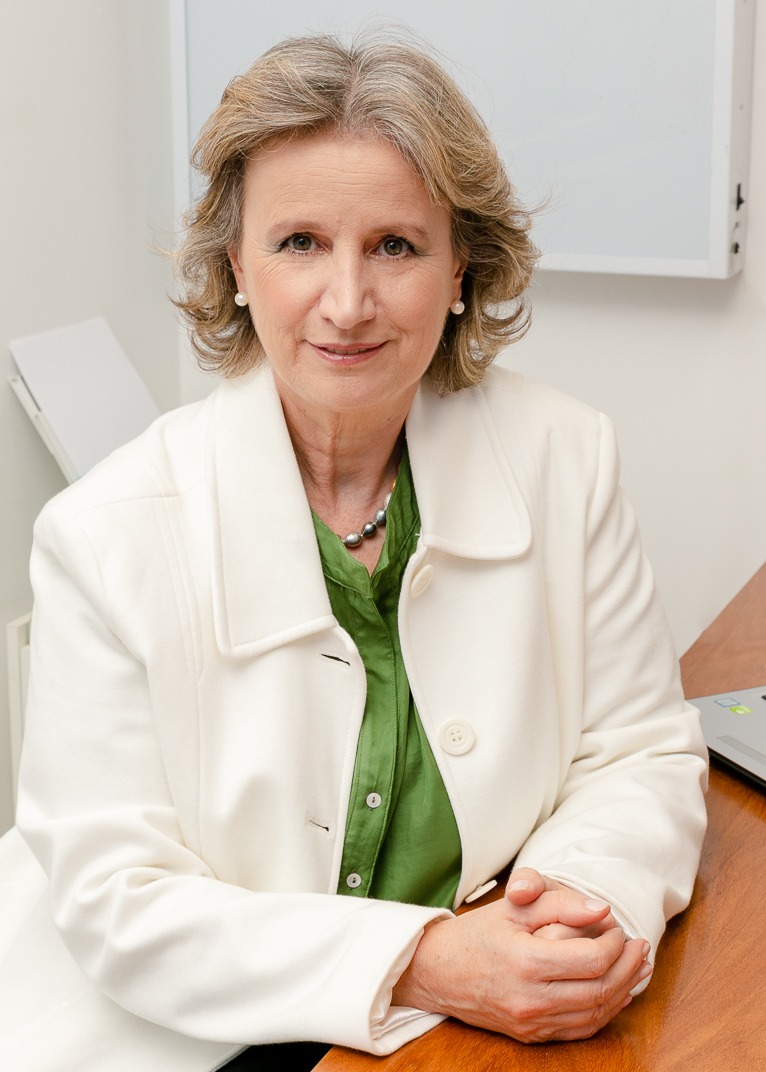
Nelci Zanon Collange is a consultant paediatric neurosurgeon at Federal University of São Paulo(UNIFESP) in Brazil, since 1995 and Head of the CENEPE Group (Pediatric Neurosurgical Center) since 2002.
She completed her neurosurgical training in Rio de Janeiro, Brazil in, and a Pediatric neurosurgical fellow in Marseille, France, with the supervision of Prof Maurice Choux. Her main clinical interests are in congenital central nervous system malformations. Her research interest is on surgical simulation, foetal spina bifida repair, non-invasive intracranial pressure monitoring, women in neurosurgery, leadership and gender equity.
In the leadership activities:
Current Chair of the Education Committee – ISPN (International Society of Pediatric Neurosurgey)
President elect of the Brazilian Society of Women in Medicine - ABMM - http://www.abmmnacional.com
Vice President for Latin America at the Medical Women International Association – MWIA
Pediatric Neurosurgical Committee at the WFNS (World federation of Neurological Societies) 2017-2021
Past Chair of the Pediatric Neurosurgical Committee at the WFNS (World Federation of Neurological Societies) 2017-2021
Past Vice-Chair of the Women Committee at the WFNS (World Federation of Neurological Societies) 2013-2017
Founder and coordinator of the Women Group in Neurosurgery at the Brazilian Society of Neurosurgery – SBN (Sociedade Brasileira de Neurocirurgia) – 2011-2021
Past President of the Brazilian Society of Pediatric Neurosurgery (SBN Ped) 2013-2015
Member of the Medicine Academy of São Paulo (Academia de Medicina de São Paulo)
Adress
Nelci Zanon Collange
Rua Veiga Filho 350, sala 610
CEP 01230-010 – Higienópolis, são Paulo – SP, Brazil